
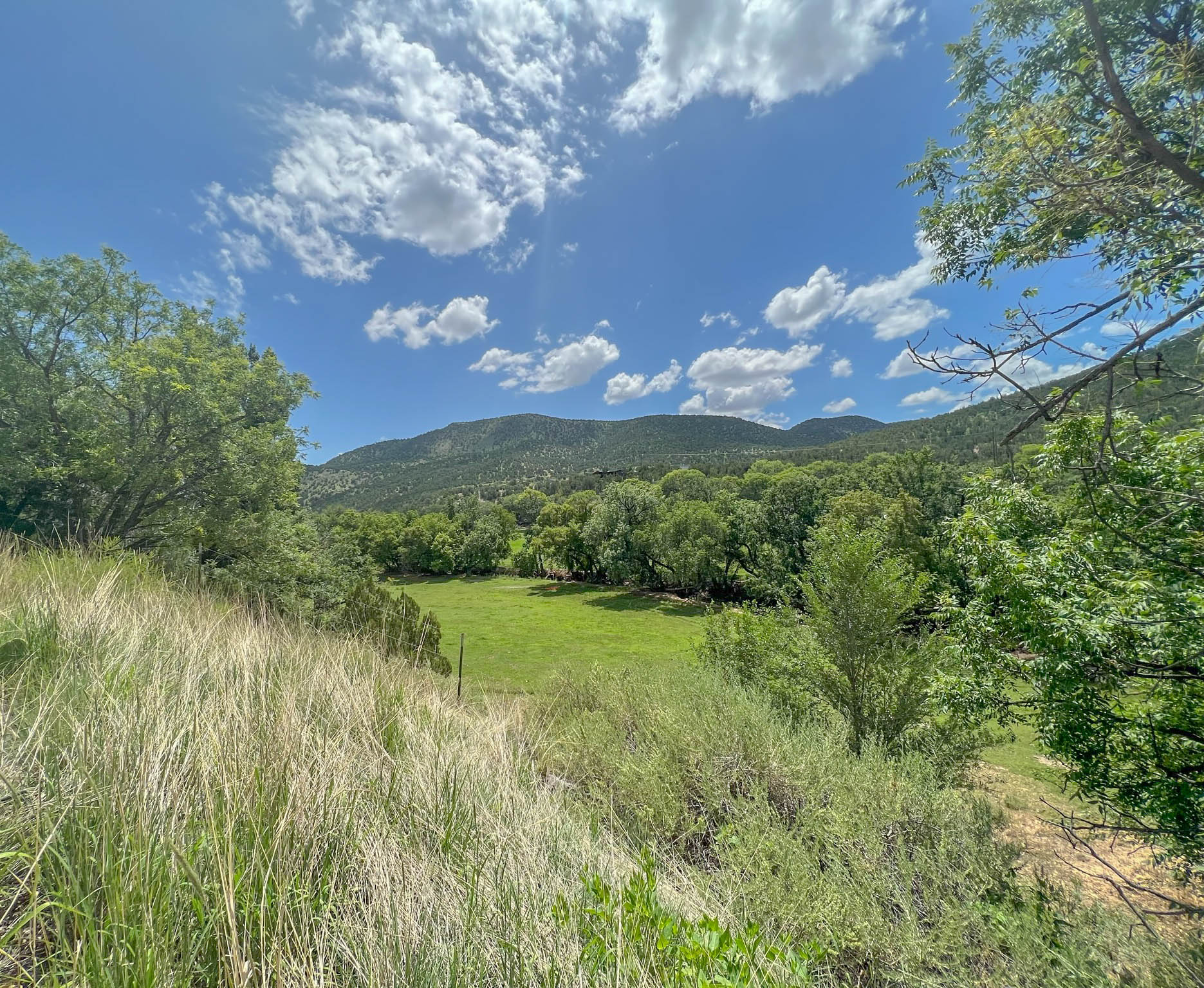

From a Meem-designed chapel to a cave of aliens, Glencoe packs outlaw lore, political firsts, and roadside surprises into one tiny New Mexico town.
After winning (or losing) at the Ruidoso Downs horse races, you can hop in your car and head just 10 minutes east on Highway 70 to the tiny town of Glencoe, New Mexico. Whether you’re celebrating a jackpot or licking your wounds, Glencoe offers a few quirky stops worth your time.
But before we dive into caves, chapels, and charcuterie boards, let’s zoom out for a minute. With roughly 200 residents, Glencoe may be small, but its roots run deep—and they’re tangled up with some of the Wild West’s most colorful characters.
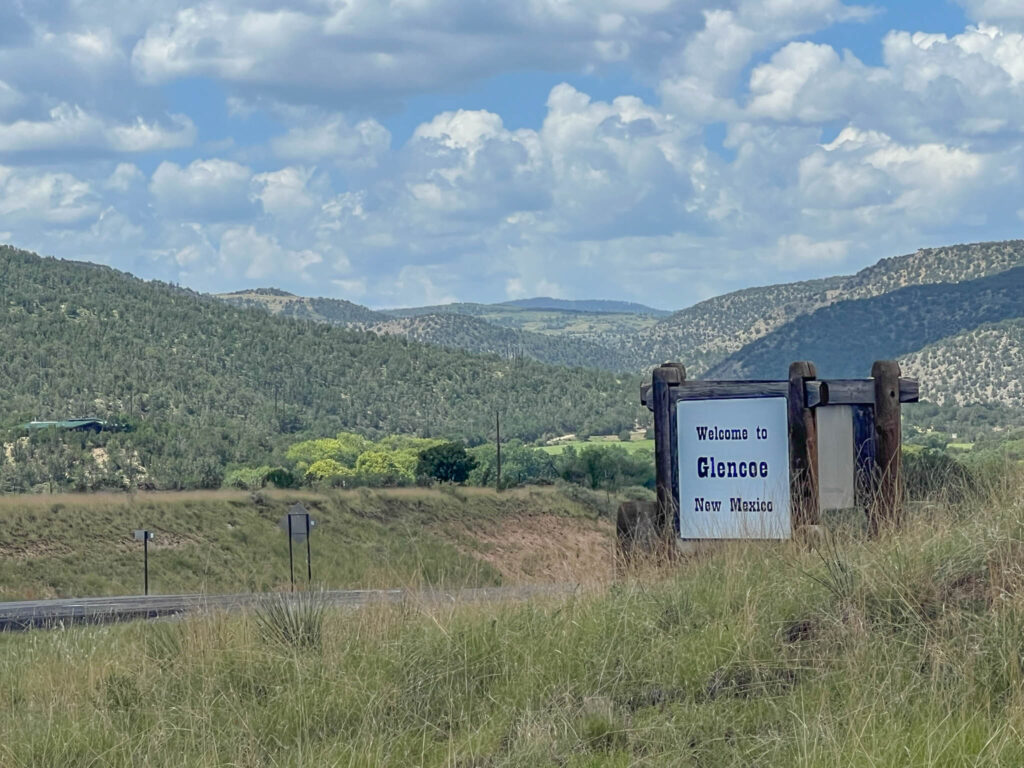
Table of Contents
Heads up: Some of the links in this post are affiliate links. If you buy something through them, it helps support this site—at no extra cost to you. I only recommend stuff I genuinely use and trust.
Glencoe, NM: A Not-So-Brief History of a Tiny Town with Big Stories
If the name Glencoe brings to mind rugged green hills, swirling fog, and the kind of weather that practically requires a wool sweater and a dram of whisky, you’re probably thinking of the one in Scotland. And you’d be right—there is a Glencoe tucked away in the Highlands. I actually passed through that version back in the mid-1990s, though I doubt that fact will change your life. This story, though, is about the other Glencoe—New Mexico’s take on the name—where the hills are semi-green, the sun is relentless, and the personality is decidedly more dry than damp. It even had a distillery for a while but, like many good things, it didn’t survive the COVID years.

Outlaws, Ranchers, and the “Valley of the Coes”
The name “Glencoe” blends “glen” (meaning valley) and “Coe” (a family name). So I suppose you could call it the “Valley of the Coes.” The Coe family originally hailed from Iowa and Missouri, and in the 1870s, a few bold members set out in search of a new life out West. They eventually homesteaded in a quiet valley near what’s now Ruidoso.
Two early arrivals—George Coe and his cousin Frank Coe—got a bit more adventure than they probably bargained for. They ended up riding with Billy the Kid during the Lincoln County War. In addition to being ranchers, their résumés included “Old West cowboys and gunmen,” though I doubt that ever made it onto their business cards. After the dust of the Lincoln County War settled, George and Frank spent some time lying low in Nebraska and Colorado before eventually returning to New Mexico.
In 1884, George received amnesty from Governor Lew Wallace, allowing him to reopen his ranch and settle down as a respected community member. And yes, that’s the same Lew Wallace who wrote Ben-Hur: A Tale of the Christ. He published the book in 1880, while he was still governor, and it went on to become one of the century’s biggest bestsellers, second only to the Bible for decades. It was later adapted into several films, including the 1959 Charlton Heston version that won 11 Academy Awards. Not a bad side hustle for a territorial governor.
The Coes helped build a school, and George—looking to avoid the long, 12-mile trip to Fort Stanton for mail—petitioned for a local post office. He proposed the name “Glencoe,” and it stuck. Frank eventually dodged his legal troubles too, settling down with his wife and raising six kids on their ranch. Descendants of the Coe family still live in the area today.
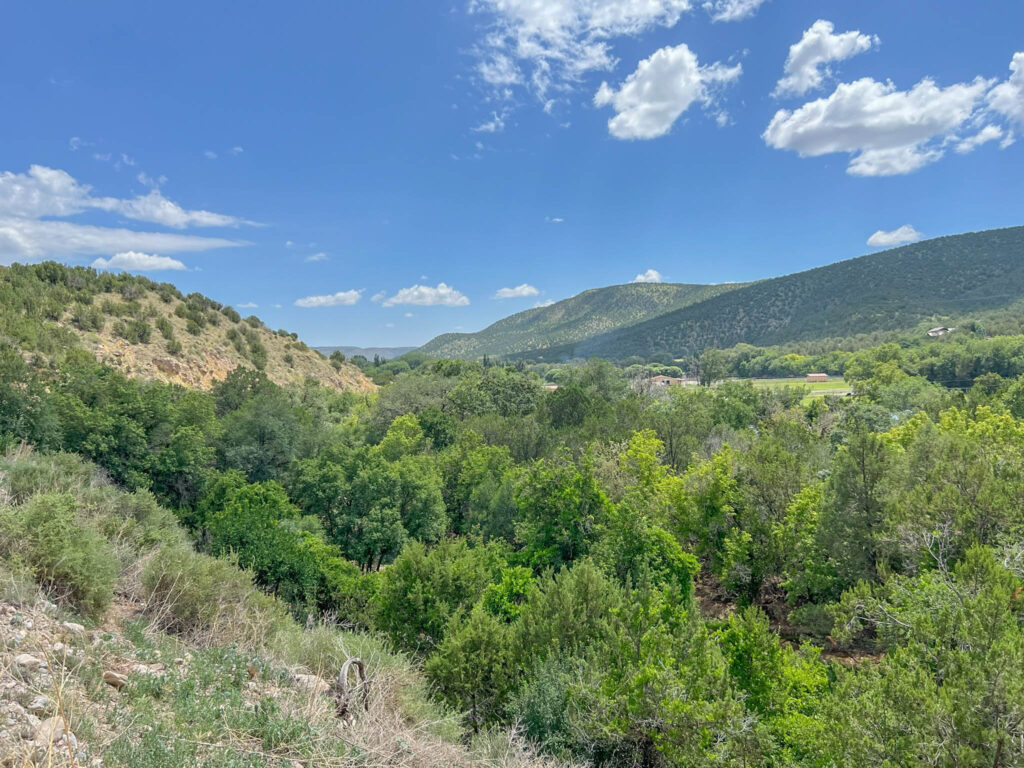
Louise Holland Coe: Teacher, Senator, Trailblazer
While George and Frank helped shape Glencoe’s wild beginnings, another Coe would leave her mark in a very different way. Enter Louise Holland Coe—arguably Glencoe’s most remarkable resident.
Born in Texas in 1896, Louise Holland earned a degree in Education with a minor in Spanish from the University of New Mexico. She began her career teaching in a one-room adobe schoolhouse just two miles from what would become her ranch—convenient, but not exactly easy. Her classroom held 45 students, only 20 desks, and every student spoke Spanish. But Louise leaned in, taught from 1916 to 1918, and eventually helped consolidate the school with another nearby.
In 1919, she married Wilbur Coe. If you’re picturing her settling into quiet ranch life, think again. In 1920, women in New Mexico won the right to vote. Just a year later, they could run for office. Louise didn’t hesitate. With Wilbur’s support, she ran for state senate and became New Mexico’s first female senator in 1925—a role she held until 1941. She also became the first woman in the nation elected Senate president pro tempore, serving in that position from 1929 to 1941.
Of course, I had no idea what it means to be a “pro tempore,” so I looked it up. It’s Latin for “for the time being,” and the role is essentially the second-highest leadership position in the New Mexico Senate—stepping in when the Senate president is unavailable. Given that Louise held the position for 12 years, “for the time being” apparently doesn’t apply to how long you can serve. Maybe they should’ve upgraded her title to multo tempore—“for a long time.”
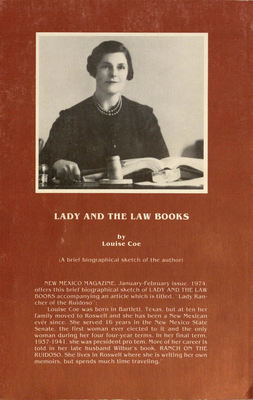
Louise chaired the Senate Education Committee and led a number of major reforms. After stepping down in 1941, she returned to Glencoe and continued to travel the world. She documented her life in two books—Lady and the Law Books (1981) and Highroads to Friendships (1984). They’re hard to track down, but they offer a glimpse into her remarkable life.
Her husband, Wilbur, also wrote a book: Ranch on the Ruidoso: The Story of a Pioneer Family in New Mexico 1871–1968. And George Coe started the family’s literary streak with Frontier Fighter: The Autobiography of George W. Coe Who Fought and Rode with Billy the Kid (1934). That one’s available on Kindle for $0.99. Needless to say, I downloaded a copy.
Caves, Churches, and Curiosities: What to Do in Glencoe
There are tons of outdoor activities in the Glencoe–Ruidoso area—hiking, horseback riding, skiing, golfing, mountain biking—you name it. But if your plan is to hunker down indoors in the little town of Glencoe, don’t worry. You’ve still got a few curiosities worth checking out.
St. Anne’s Chapel: The Little Church with a Legendary Designer
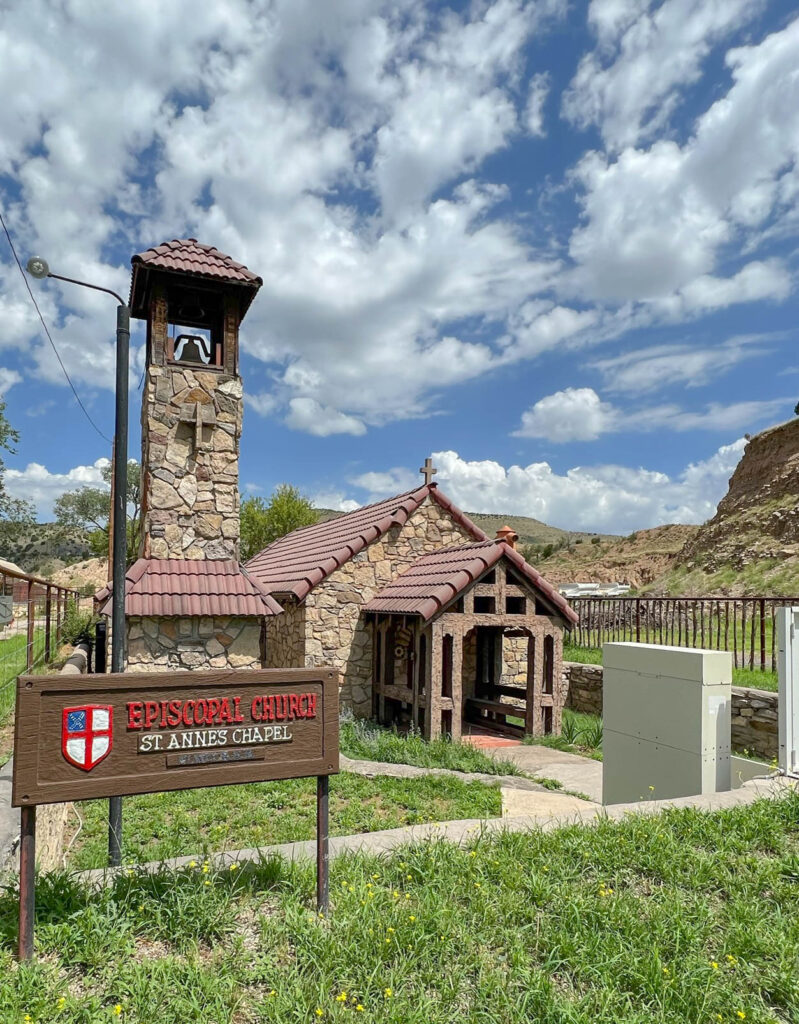
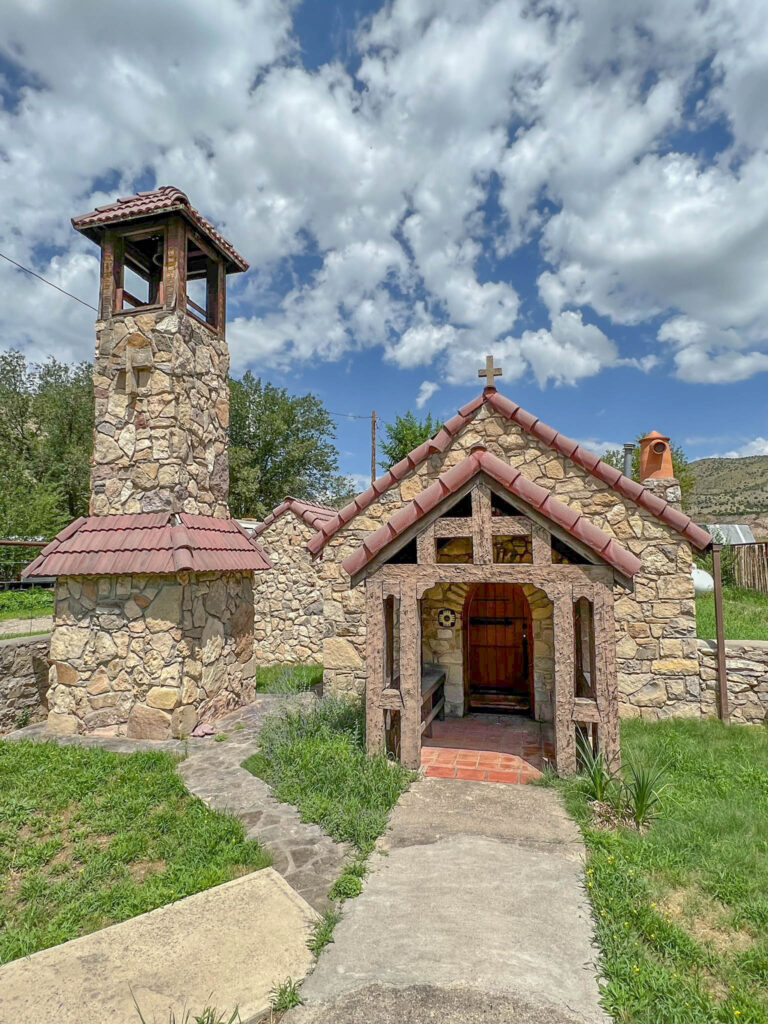
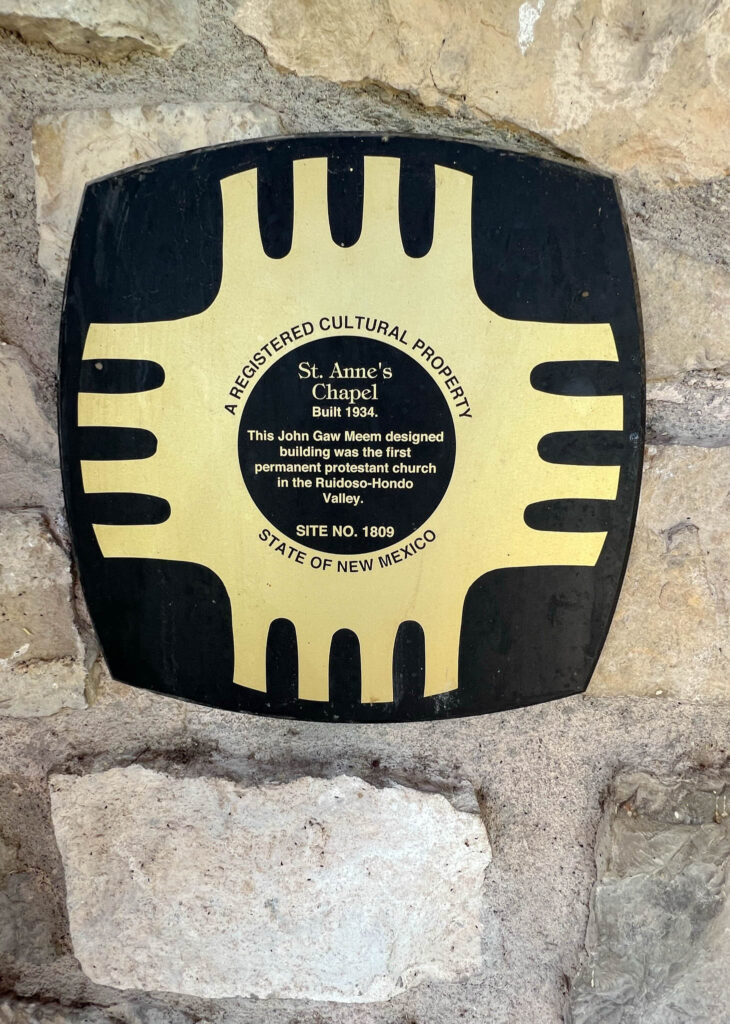
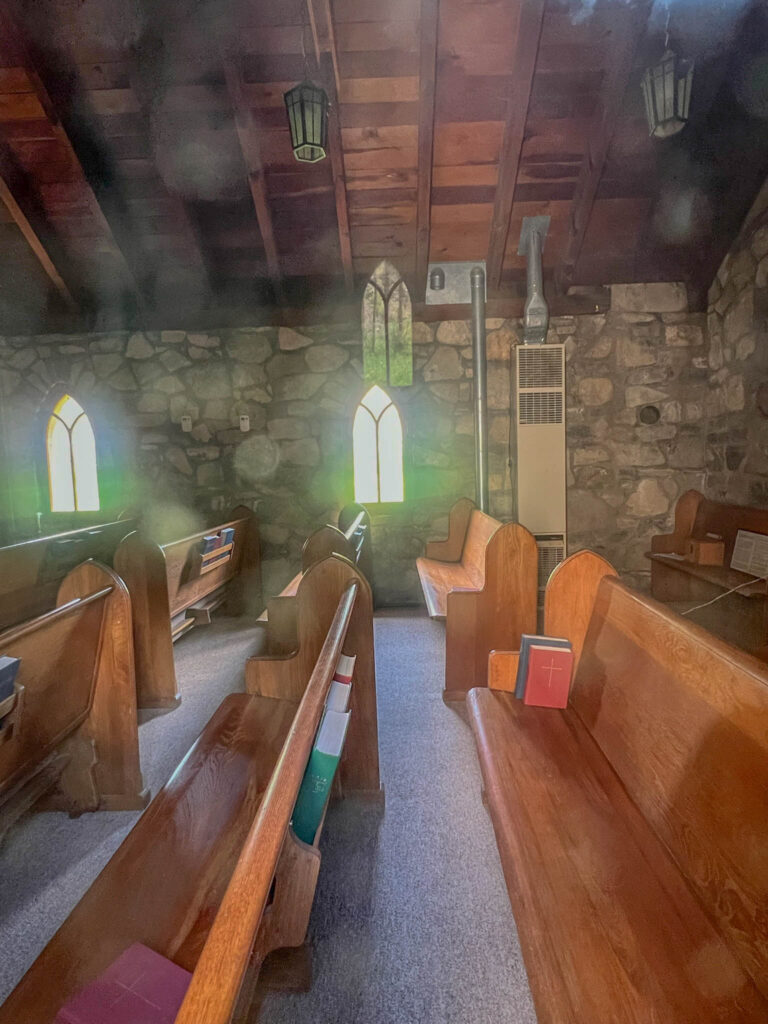
First up: a tiny chapel with a surprisingly big backstory. St. Anne’s Episcopal Church, built in 1934 and named after Frank Coe’s mother-in-law, is a modest adobe structure tucked along Highway 70. It’s listed on New Mexico’s Register of Cultural Properties—and the reason why might surprise you. The church was designed by John Gaw Meem, a name that probably doesn’t ring a bell unless you’re really into architecture. But in New Mexico, Meem is kind of a big deal. He helped define the Pueblo Revival style you see all over Santa Fe, and he was the architect behind the remodel of La Fonda Hotel—the same place Louise Holland Coe stayed during her Senate days. You can book a stay at the La Fonda Hotel too—still full of Meem’s design touches.
Meem’s path to Glencoe wasn’t exactly a straight shot. Born in Brazil and trained as a civil engineer, he worked in Virginia, New York, and South America before a tuberculosis diagnosis in the 1920s brought him to Santa Fe for treatment at Sunmount Sanatorium. The high desert worked its magic—on his lungs and his creative spirit. Inspired by the region’s architecture, he switched careers and became one of the most influential architects in New Mexico history. Curious? Here are two books that explore Meem’s legacy in more depth—especially if you’re into architecture, adobe homes, or New Mexico history: Facing Southwest: The Life and Houses of John Gaw Meem; and John Gaw Meem: Pioneer in Historic Preservation.
So how did he end up designing a little church in Glencoe? The best guess is that it had something to do with his parents, who were Episcopal missionaries. Whatever the reason, he lent his talents to what would become the first permanent Protestant church in the Ruidoso-Hondo Valley.
Services are still held once a week, Sundays at 9:30 a.m. I showed up closer to noon and found the place locked up tight—but even from the outside, with its thick adobe walls and mountain backdrop, it’s a peaceful and worthwhile stop.
San Ysidro Catholic Mission: A Quiet Landmark
Just down the road, you’ll find another small but storied church: San Ysidro Catholic Mission and Cemetery. These days, it’s mostly used for funerals and special services, but it remains a cultural touchstone in the valley. If you’re already exploring Glencoe’s backroads and history, it’s worth pausing here for a quick look.
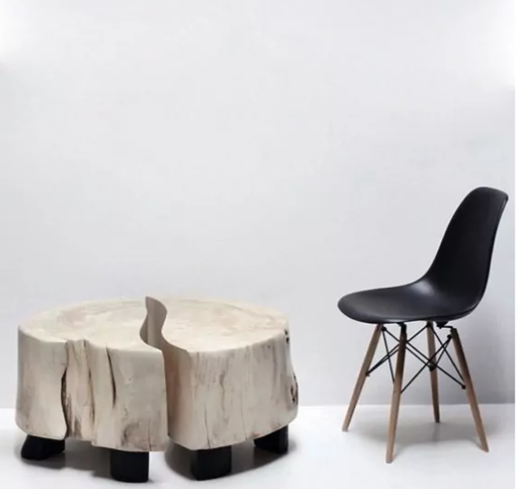
WOODSWAN: Reclaimed Wood, Reimagined as Modern Furniture
One of the more intriguing places to check out in Glencoe is WOODSWAN, located at 27489 US Highway 70—the former home of the Glencoe distillery.
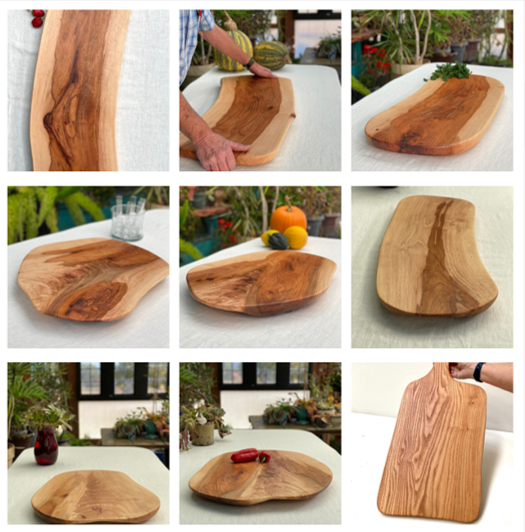
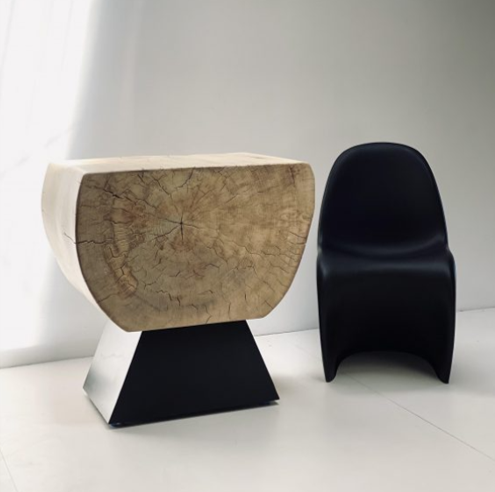
This isn’t your typical woodworking studio. WOODSWAN’s raw materials come from fallen trees, old stumps, and reclaimed wood—each one given new life as a table, shelf, or mantle that still reflects the unique character of the tree it came from. Cracks, curves, knots, and all.
Every item is designed, sourced, and built right here in New Mexico, which makes it feel even more rooted (pun fully intended). You’ll find handcrafted pieces that are equal parts art and function: dining tables, end tables, entry tables, mantles, charcuterie boards, and more.
The showroom is open Thursday to Saturday from 10 a.m. to 5 p.m., and by appointment the rest of the week. If you appreciate sustainability, craftsmanship, or just enjoy a good excuse to run your hand across beautifully finished wood—it’s worth carving out time for a visit.
(The four images below are shared with permission from WOODSWAN’s website and Instagram.)
Inside Fox Cave: Glencoe’s Strangest—and Most Entertaining—Stop
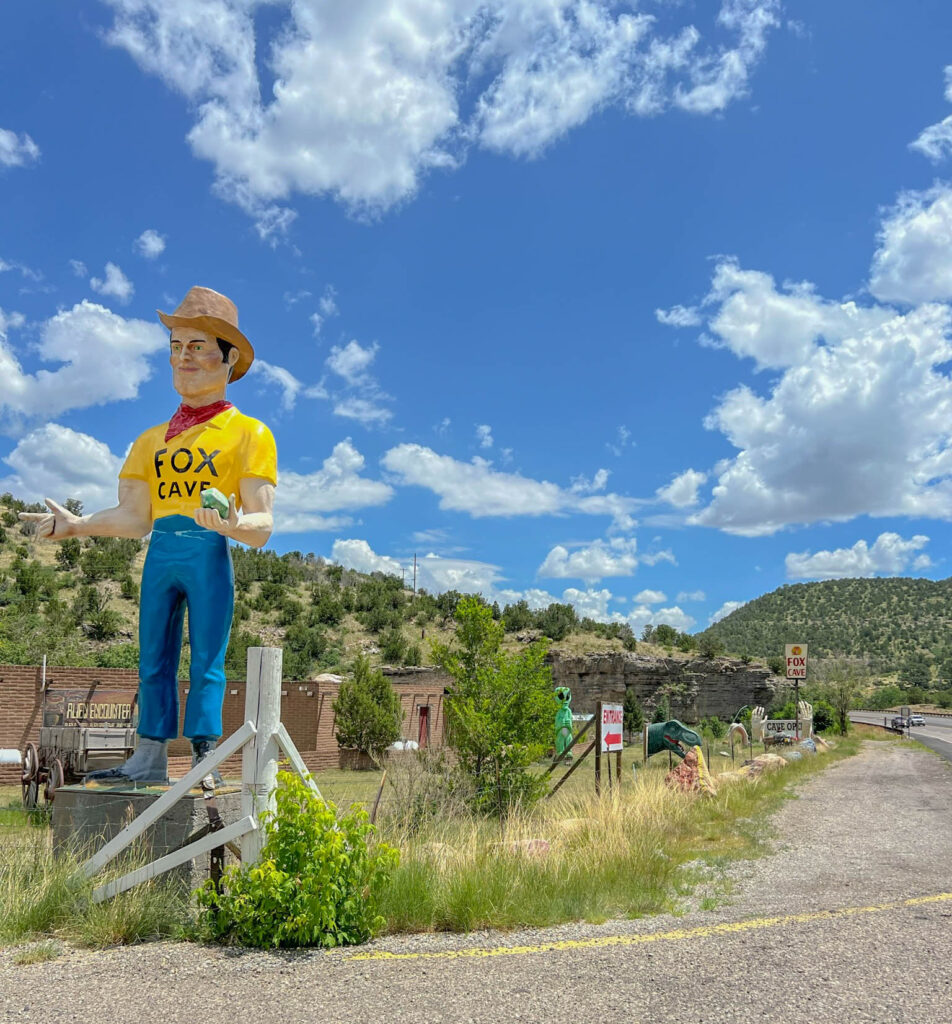
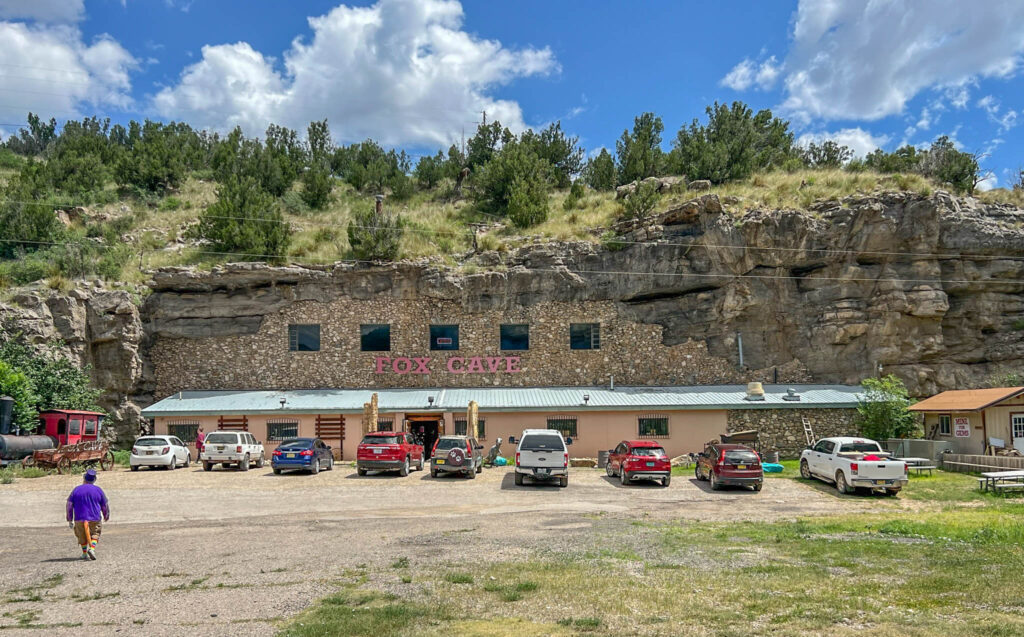
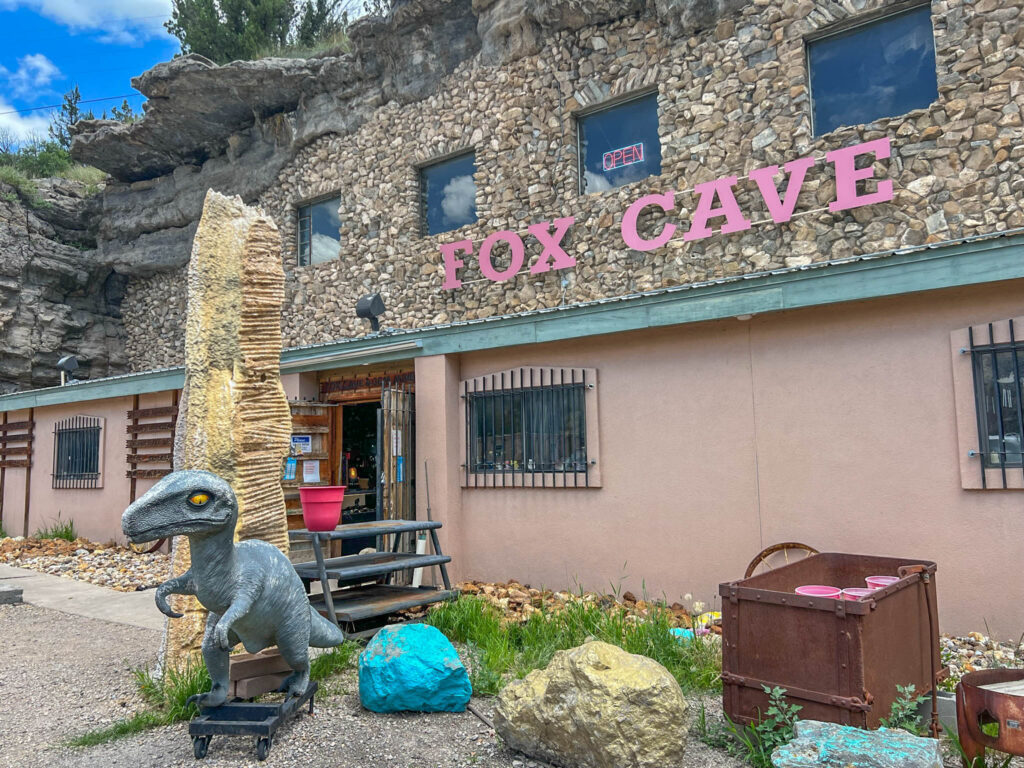
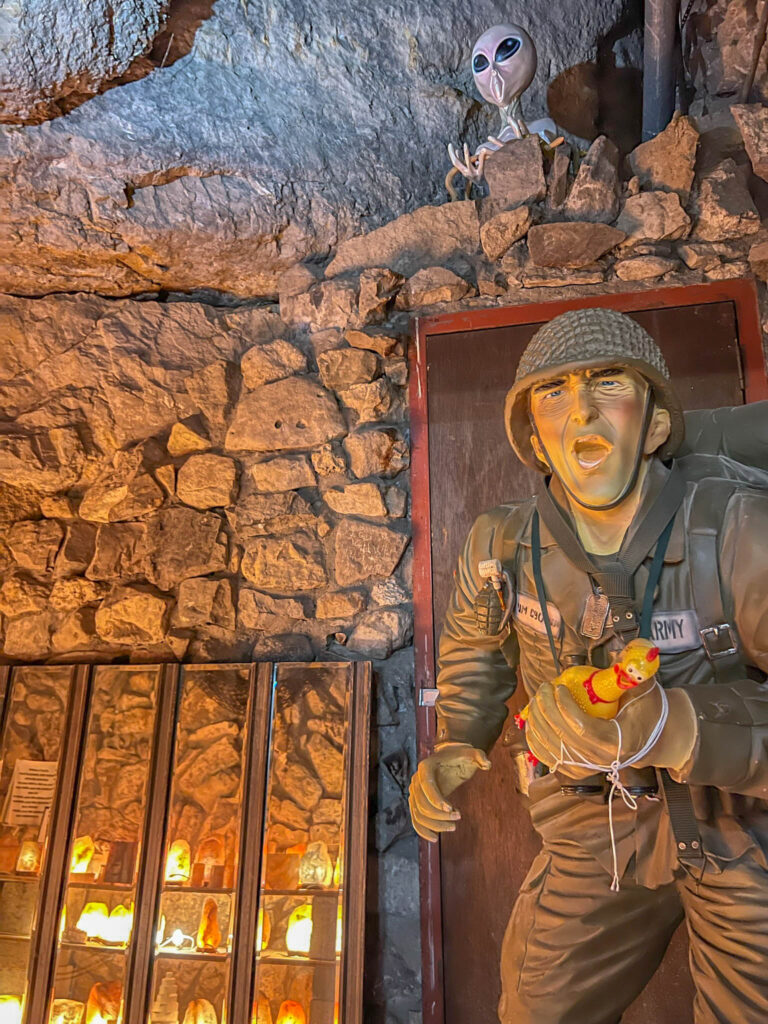
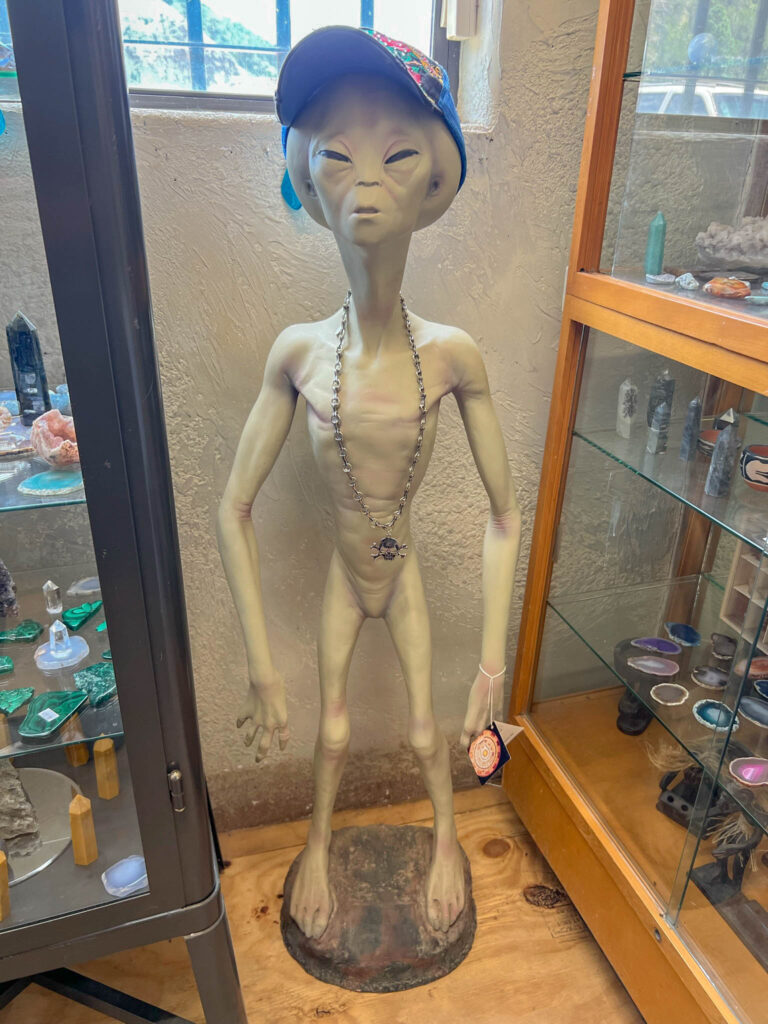
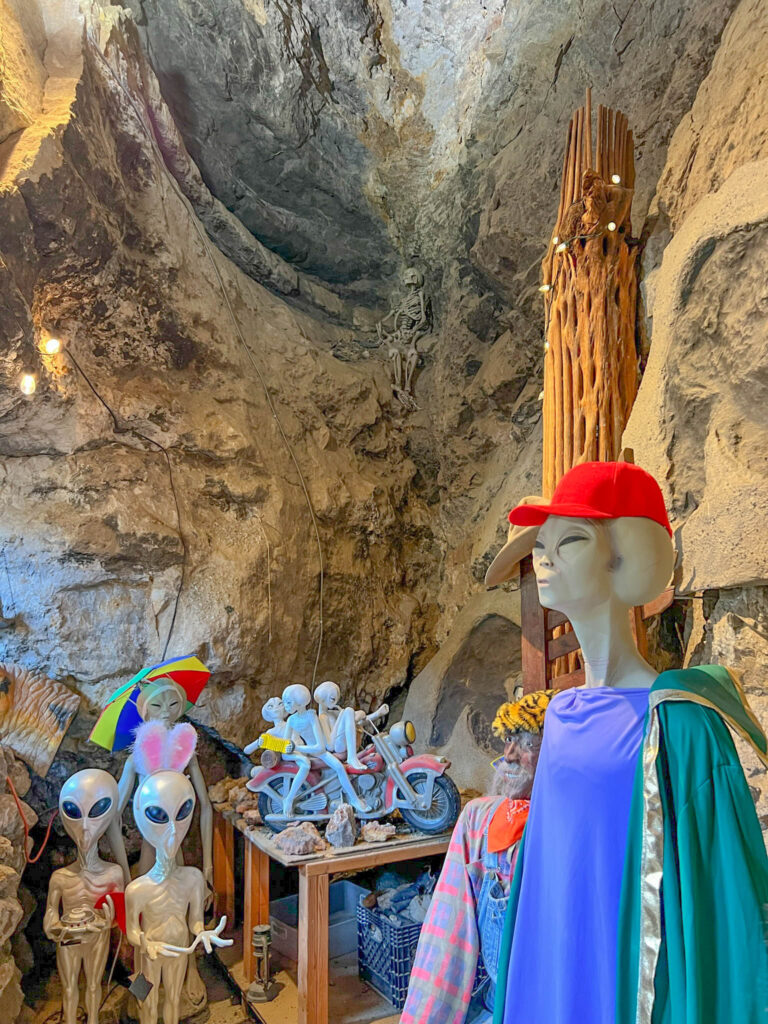
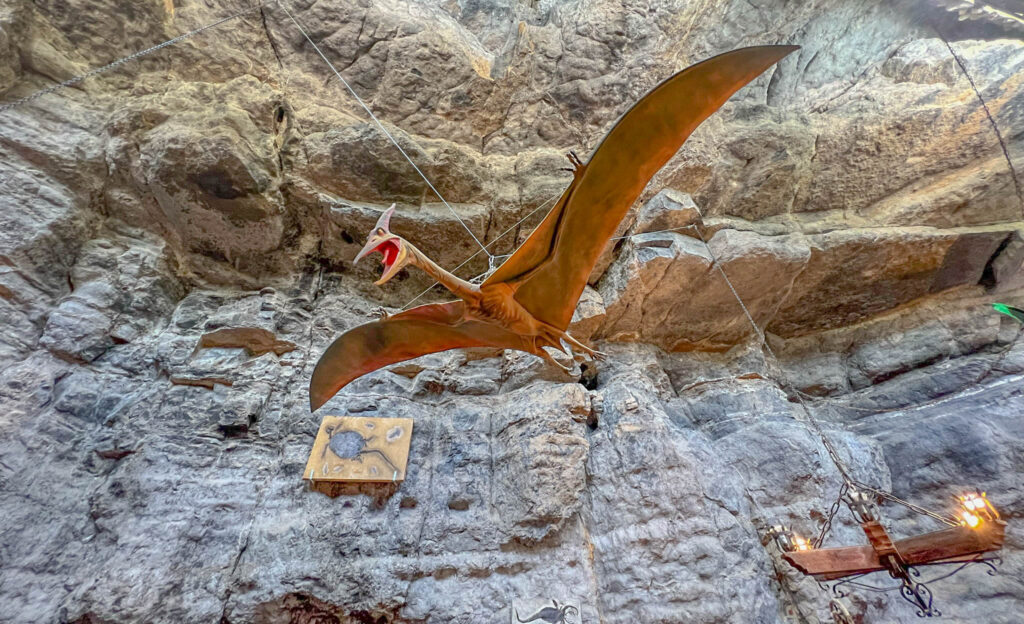
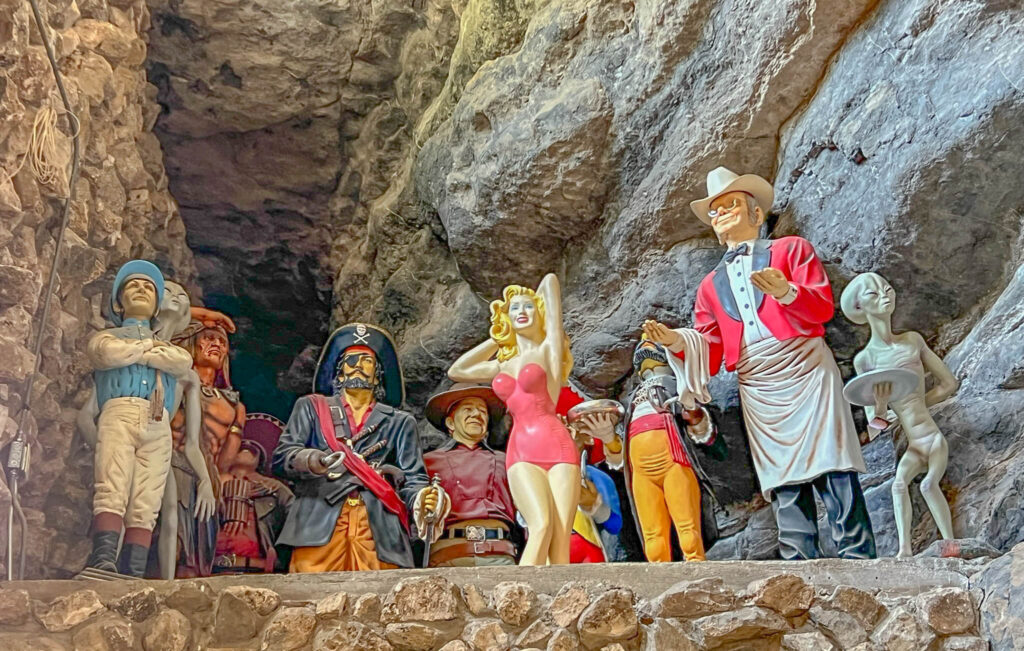
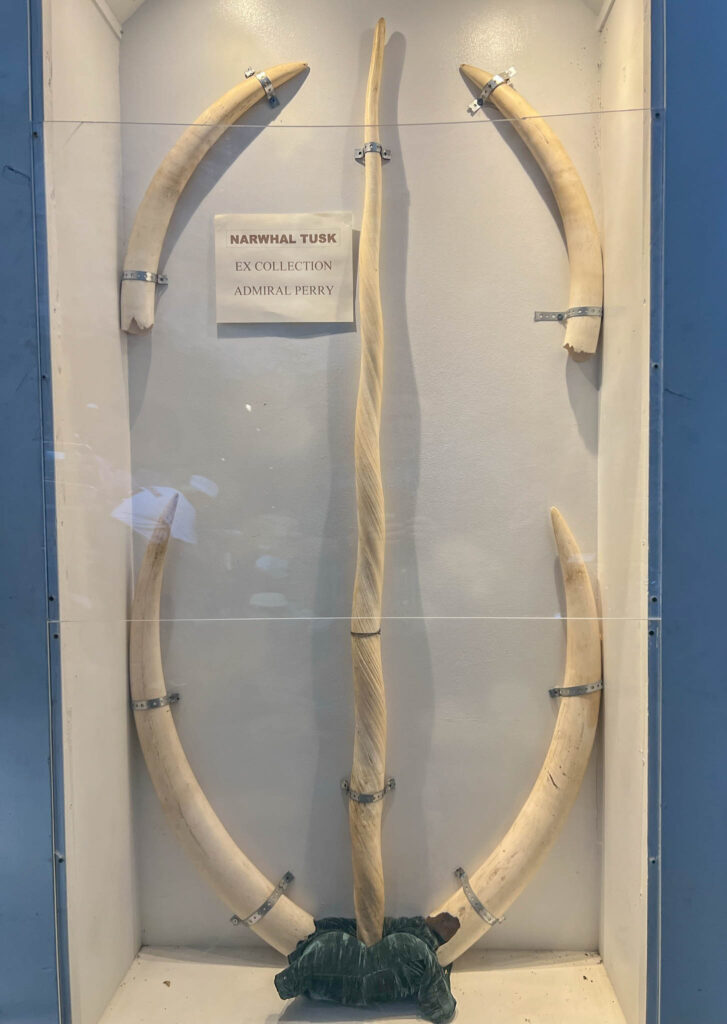
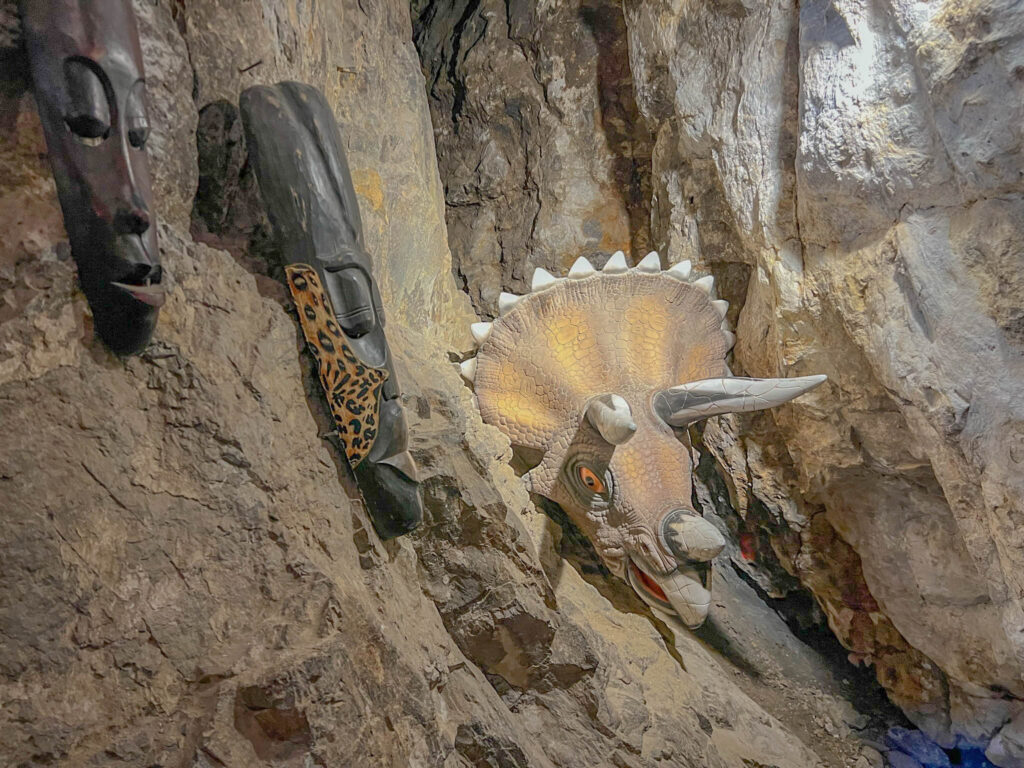
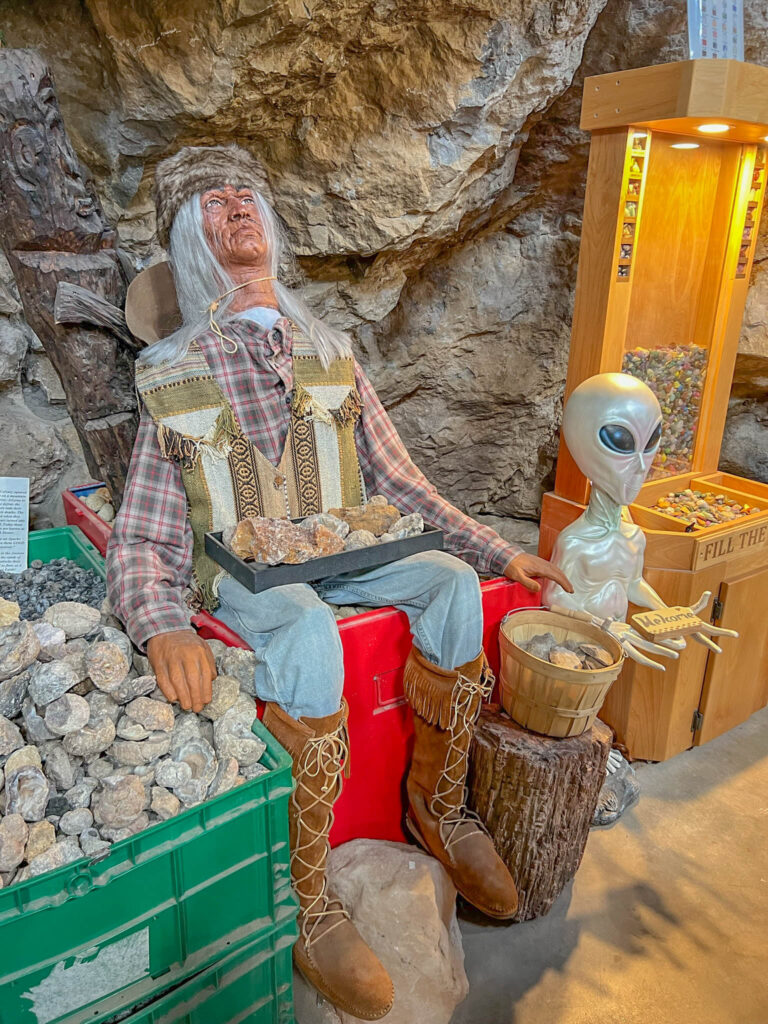
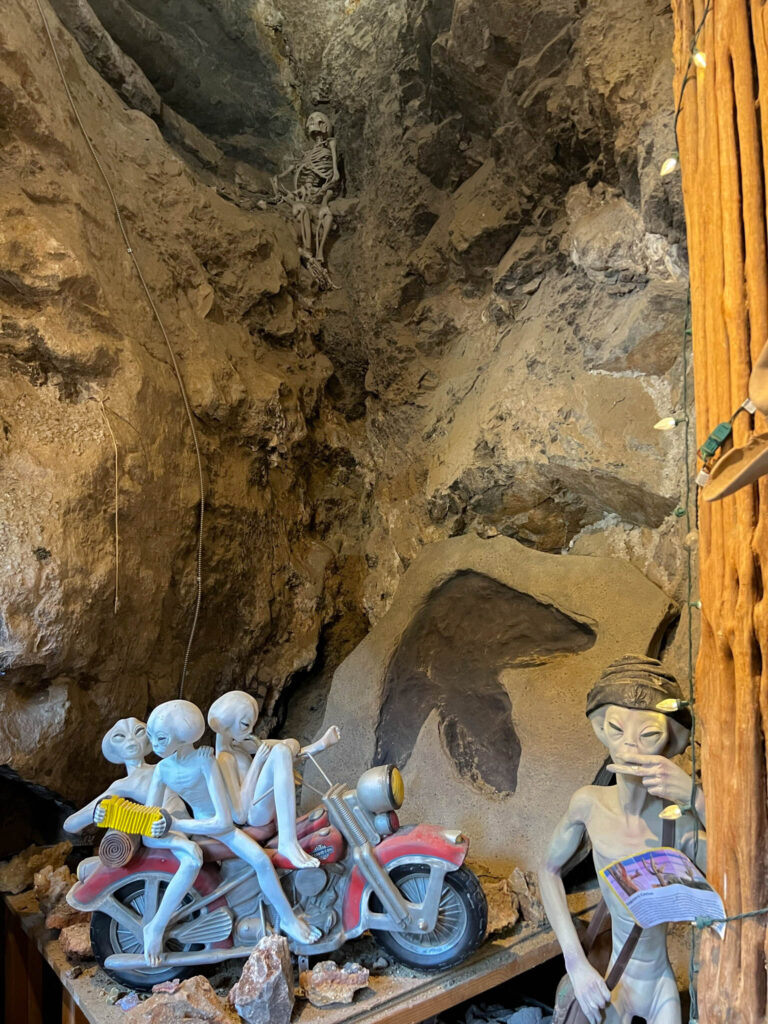
When I headed to Fox Cave, I pictured a quiet roadside cavern with a couple of interpretive signs and maybe a rack of postcards. What I found instead? Alien statues. Dinosaur bones. A narwhal tusk. And more curiosities than you can shake a geode at.
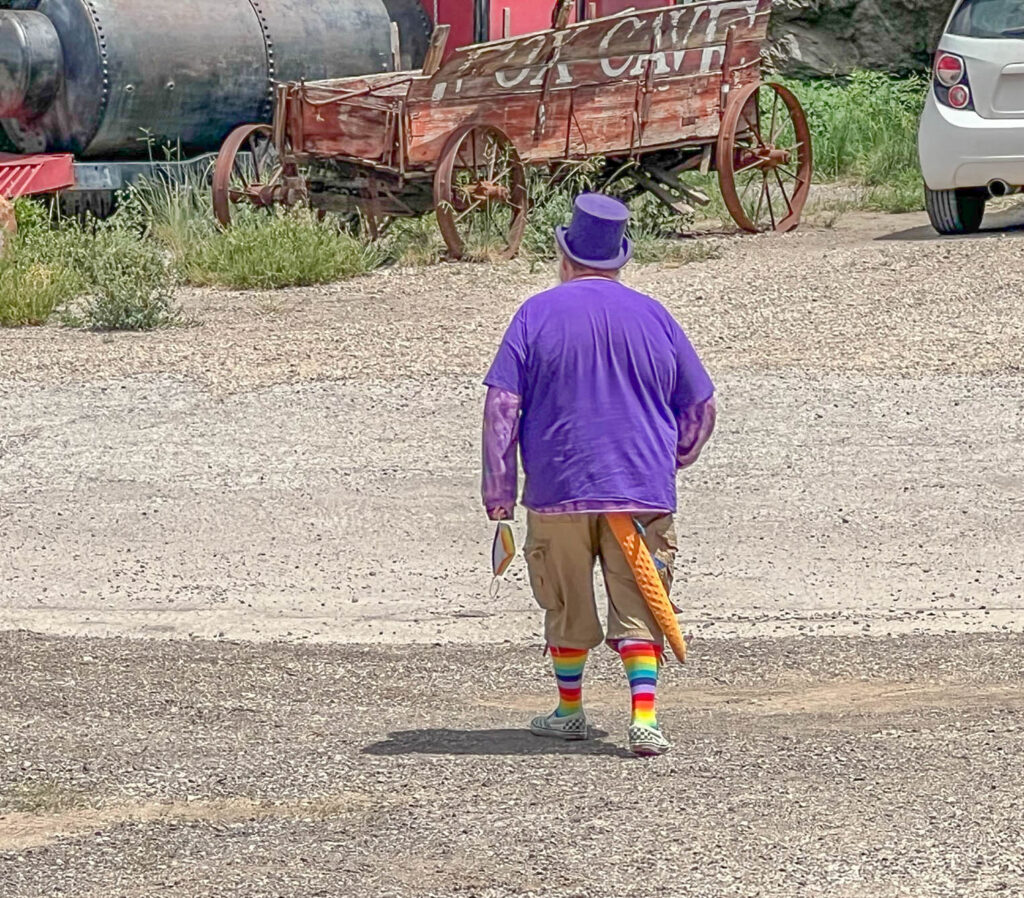
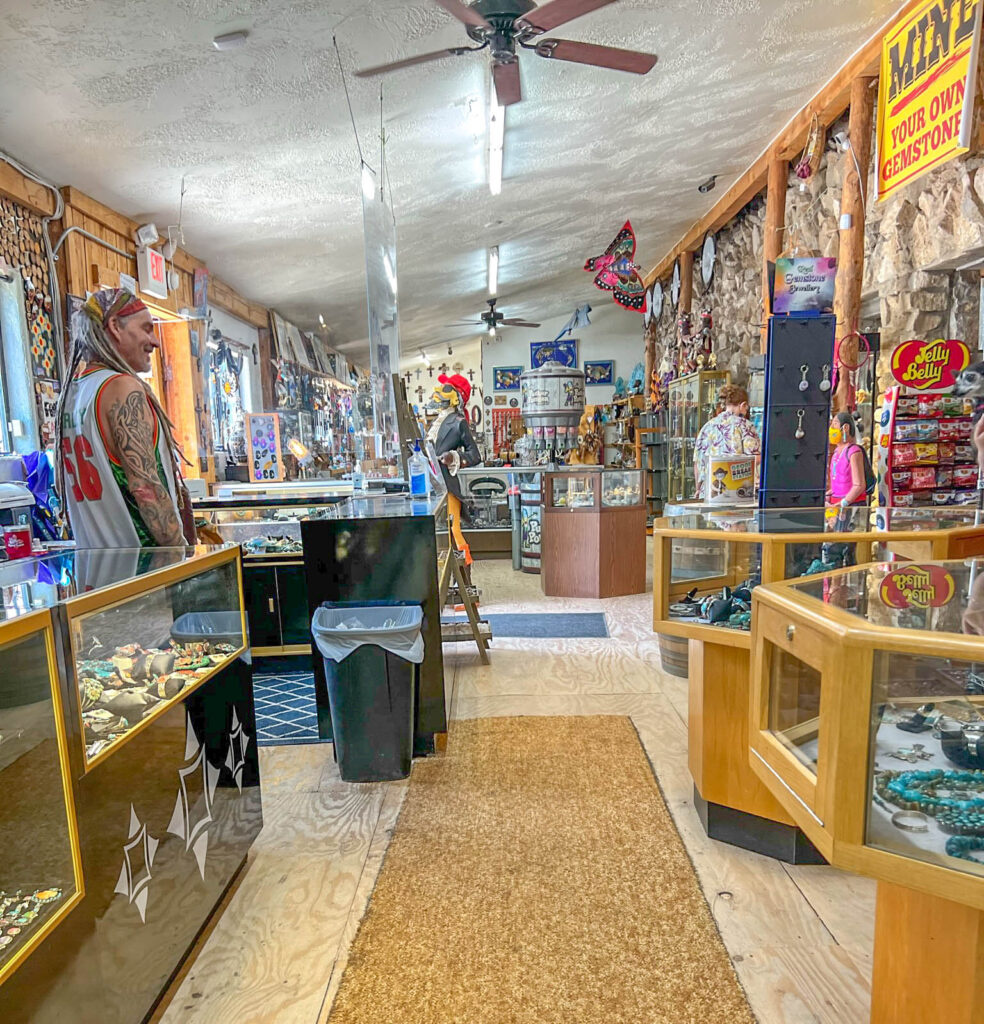
The first hint that this wasn’t your average cave came just off Highway 70, where you’ll spot a jumble of oddball props and museum relics near the parking lot. These leftovers are from the now-closed Ruidoso River Museum, which once featured everything from Billy the Kid memorabilia to the actual badge worn by Sheriff Pat Garrett—the man who played a central role in the Lincoln County War. The space has since been replaced by Weed World at Fox Cave, a dispensary, recreational lounge, and gift shop. So now, the site serves up geology, sci-fi oddities, and cannabis products in one delightfully offbeat package.
Fox Cave is the creation of Arnold Duke, a gemologist who studied at New Mexico State and now owns this roadside wonderland, along with the former museum and the Ruidoso Trading Post. His vision? A mash-up of geology, sci-fi, Old West history, and pure desert oddity.
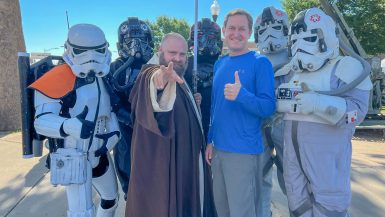
Step inside, and you’ll find a mix of rock shop, fossil gallery, and sci-fi souvenir zone. The glowing alien figures, musical skeletons, triceratops masks, and gem-lined walls make it part museum, part fever dream. And yes, you can actually buy a chunk of geode—or just admire the narwhal tusk and wonder how it ended up here in the Hondo Valley.
Whether you’re into geology, kitsch, or just need a fun detour, Fox Cave is a stop you won’t forget.
Thought for the Week
For this week’s edition of the “Thought for the Week,” I decided to look for a Scottish quote in a nod to the Coe clan—after all, the name Glencoe traces back to the green valleys of Scotland, even if this version trades misty hills for sunbaked mesas.
The proverb I found feels like something Louise Holland Coe might’ve understood well. Before making history as New Mexico’s first female senator, she taught in a one-room adobe schoolhouse packed with 45 students and only 20 desks—most of whom didn’t speak English. That kind of setting doesn’t leave much room for perfection. It calls for grace, patience, and a deep understanding that people are doing the best they can, even when they fall short in small ways.
In our own lives, it’s tempting to focus on minor annoyances—a clumsy comment, a missed detail, a slow driver on a fast day. But this week’s quote invites us to shift our perspective. To overlook what doesn’t really matter. And to remember that, chances are, someone is extending the same grace to us.
Wink at small faults, for you have great ones yourself.”
— Scottish Proverb
Thanks for reading and happy travels!
Mark (The New Mexico Travel Guy)
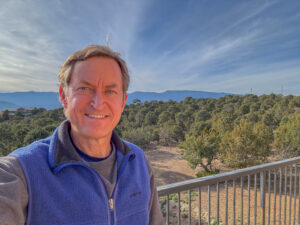
Mark Aspelin, The New Mexico Travel Guy (www.newmexicotravelguy.com), is a travel writer, conservation biologist, project manager, and author of two books. He’s visited over 100 countries and all 50 U.S. states—just enough to land in the Travelers’ Century Club and make choosing a favorite place nearly impossible. He’s currently on a questionable mission to visit every town in New Mexico (there are over 500) and write a story about each one, with plans to wrap it up sometime before his early to mid-100s. Mark balances his writing with conservation and project work from his home base in the East Mountains near Albuquerque, New Mexico.
Enjoyed the story, I have lived in Ruidoso since 1952 and have known a lot of the Coe clan , lived with one of them for a short time but there are a lot of them still around. Thanks for the story 😇🌻🎸
Thanks Hoyt! It was fun writing the story. Great people, lots of interesting history, and the Ruidoso area is a beautiful place. Thanks again! Mark
Thanks for this interesting article. My girlfriend, a Bonnell shared it with me.
I love New Mexico and Western heritage.
Thanks Rebecca! I can see why you love New Mexico and Western heritage – it’s a fascinating topic. I still have much to learn, but I’m enjoying the journey. Thanks again, Mark
I enjoyed the story of Glenco,s history . It’s a beautiful valley .
I’ve lived in Ruidoso Downs since 1971 , I loved living here and raising my family here .
Thank you for the story , I wish to hear more stories about our area .
Thank you Judy! You picked a great spot to live. I’m in the process of visiting every town in New Mexico and writing a story about each one, so I’ll certainly be writing more stories about your area soon. Thanks again, Mark
Thank you for writing this story of Glencoe! I grew up in that little village and George Coe is my Great Great Grandfather.
Hi Tara, thank you for sharing this — that’s amazing! George sounds like quite a character. You must have some great family stories connected to that valley. I appreciate you taking the time to read and reach out. It means a lot to hear from someone with such a direct connection to Glencoe.