
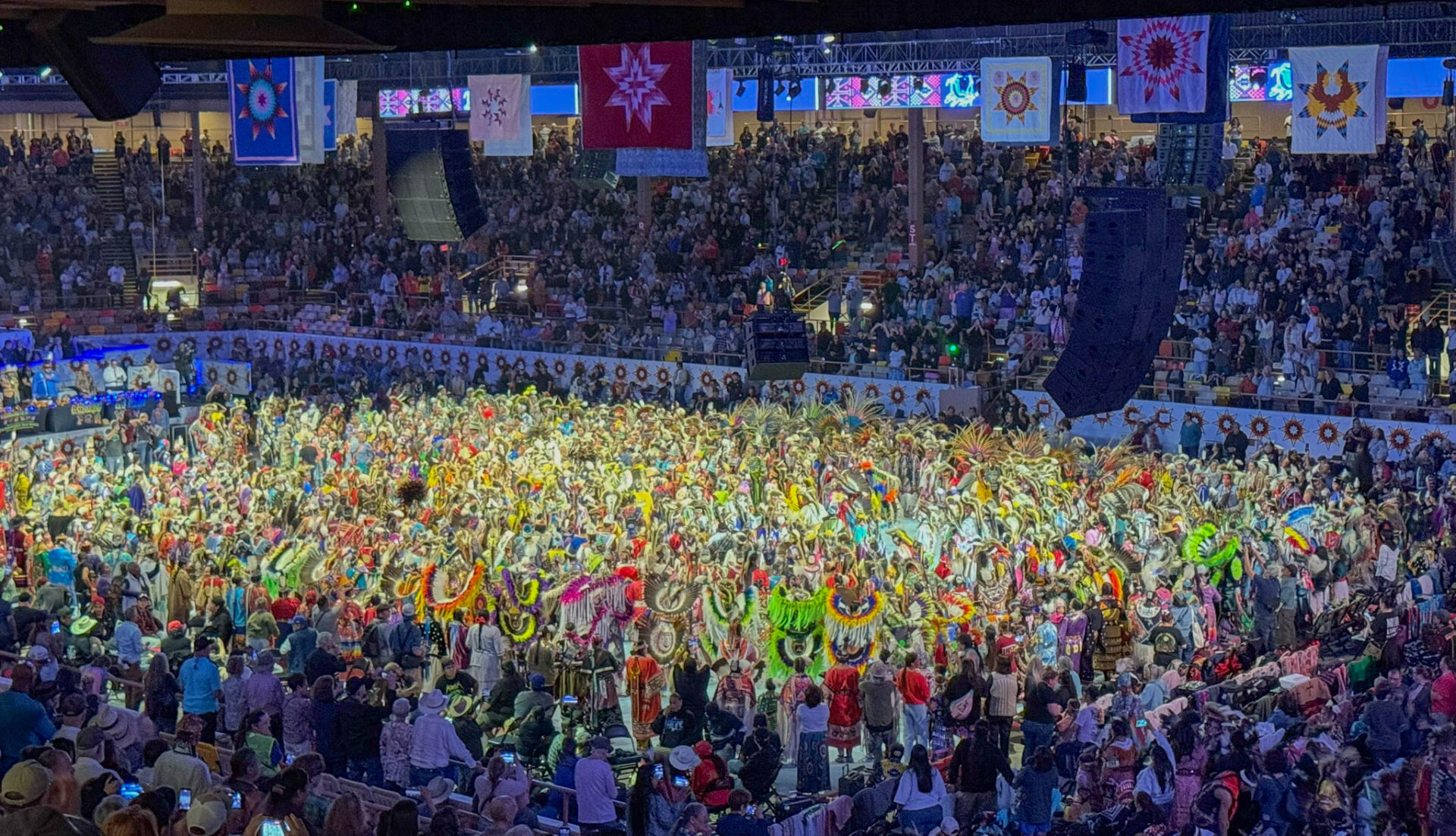

For more than 40 years, Gathering of Nations brought together tribes from across North America in Albuquerque. Last month, the drums echoed through Expo New Mexico one final time.
There are some events in Albuquerque that become so tied to the city that you just assume they’ll always be there.
The State Fair. The Balloon Fiesta. The walking dead wandering between Central and Zuni.
And for 43 years, the Gathering of Nations Pow Wow felt like one of those things.
So when I walked into the Expo New Mexico grounds last weekend for what organizers called the “Last Dance,” it felt a bit strange. Not dramatic strange. More like that feeling when you drive by an old restaurant you’ve known forever and suddenly realize the sign is gone.
We know things change. We just don’t expect certain things to disappear. Especially something that’s been part of Albuquerque for this long.
For decades, Gathering of Nations brought together tribes, dancers, singers, artists, and families primarily from across the United States and Canada. Even if you only went once, it was hard not to remember it.
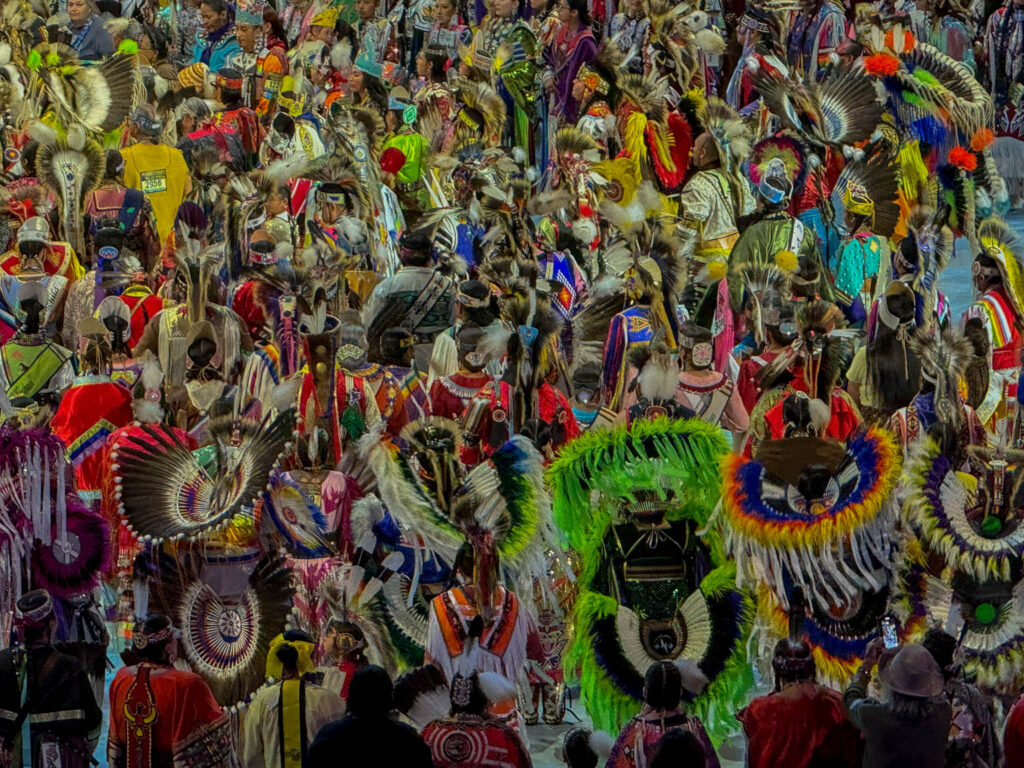
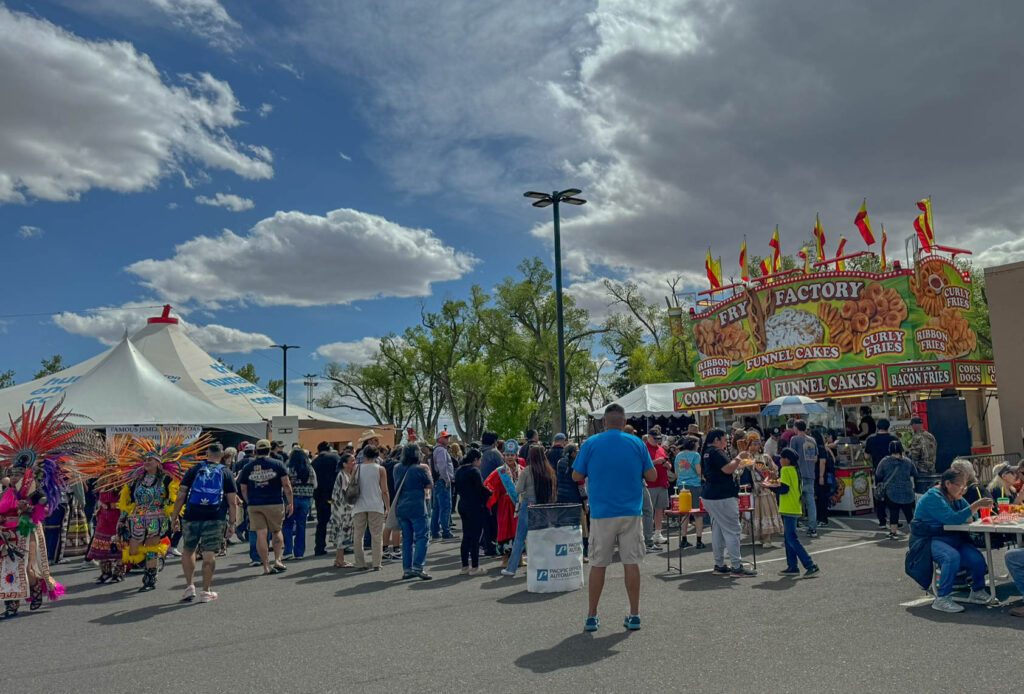
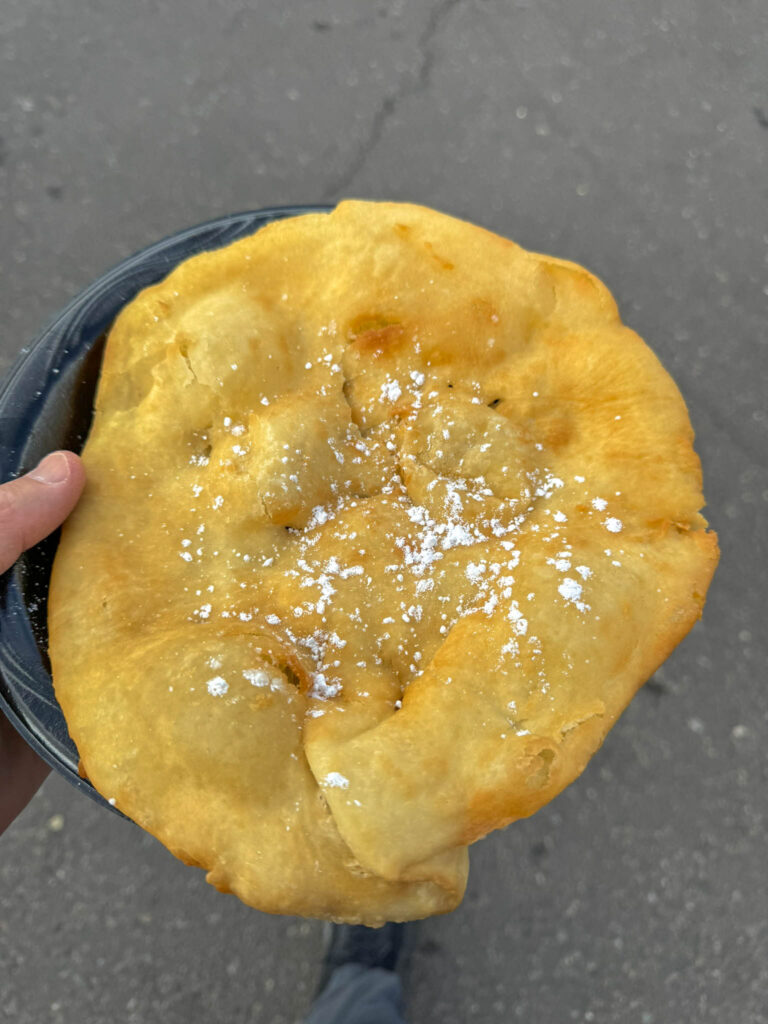
The drums, the dancing, the colors, the singing, and the crowds. Vendors selling jewelry and artwork. The smell of fry bread drifting over from the food trucks while people moved slowly between booths and Tingley Coliseum.
And despite the size of it, the Gathering of Nations never came across as overly polished or commercialized to me. It seemed rooted in something real.
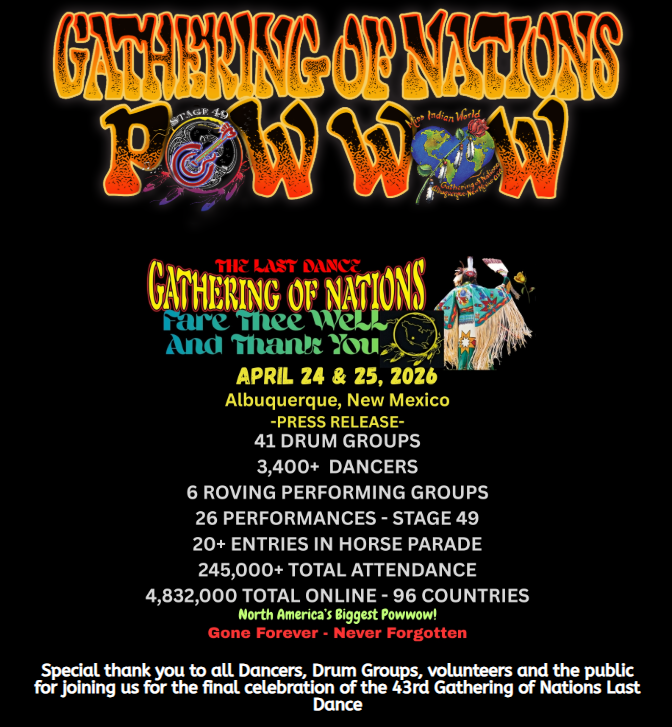
This wasn’t just another festival disappearing from the calendar. Over the years, Gathering of Nations became one of the largest Native American gatherings in North America and a major cultural event for Albuquerque itself. By its final year, Gathering of Nations drew hundreds of tribes, thousands of dancers, and roughly a quarter-million attendees to Albuquerque.
And walking through it one final time got me thinking about how rare it is for something to last more than four decades without losing what made people care about it in the first place.
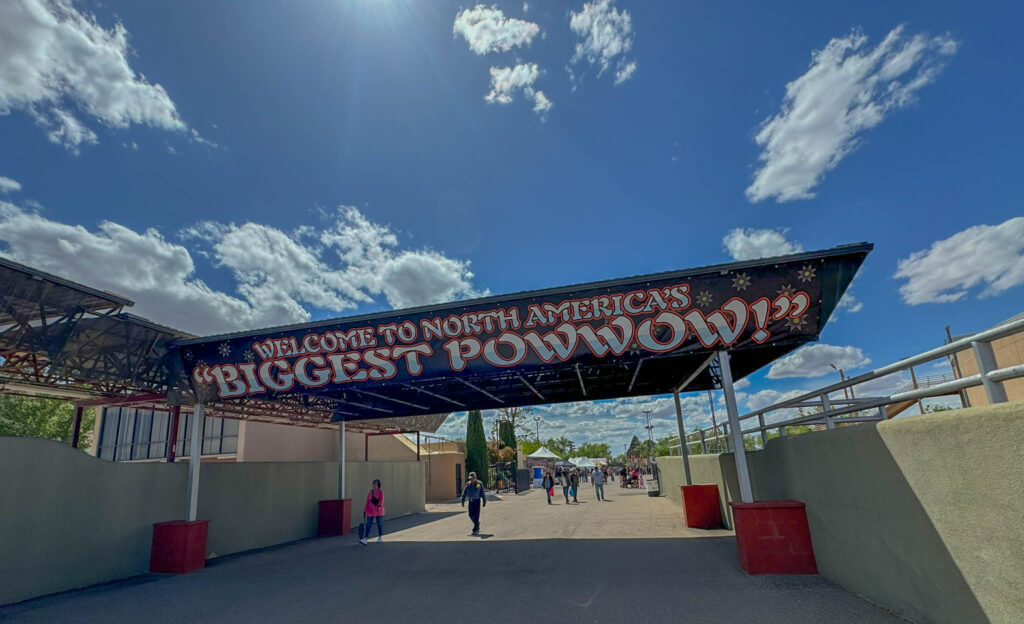
Table of Contents
Heads up: Some of the links in this post are affiliate links. If you buy something through them, it helps support this site, at no extra cost to you. I only recommend stuff I genuinely use and trust.
How It Started and Why It Mattered
Gathering of Nations began in 1983, when Derek Mathews, a non-Native promoter from New Mexico, set out to create an event that could bring together tribes from across North America in one place.
In its early years, Gathering of Nations was much smaller and more regional. But over the decades, it grew into something far bigger. At a time when Native traditions and cultural identity weren’t always embraced by mainstream American culture, Gathering of Nations brought together tribes, dancers, drum groups, artists, and families with very different traditions, histories, and in some cases, longstanding tensions or conflicts.
That’s part of what made the event feel significant.
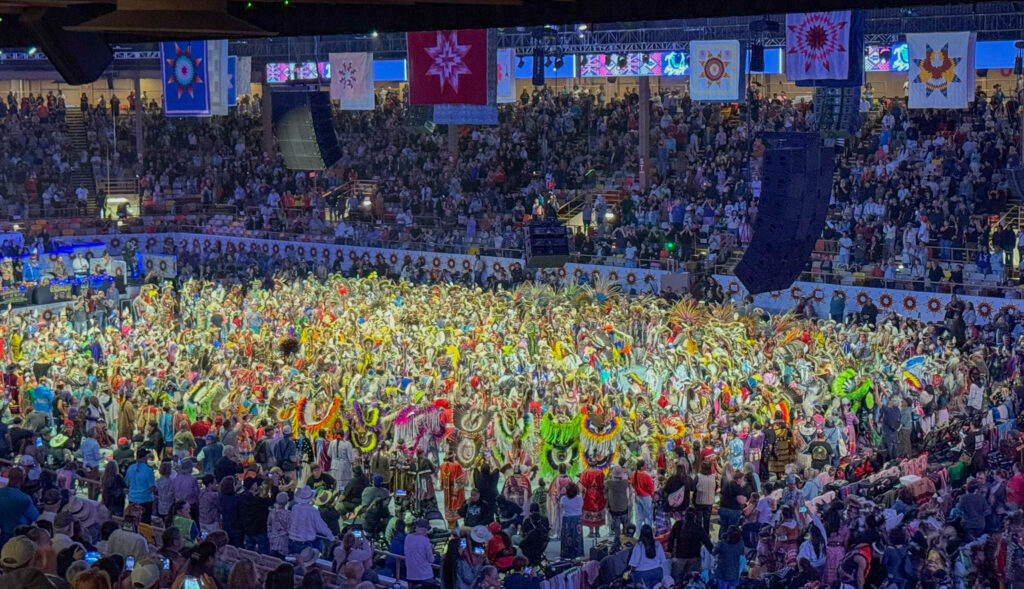
So when you watch thousands of dancers enter the arena together during Grand Entry, it feels like more than just a performance. Even as an outsider, you can tell there’s history behind it.
And despite the welcoming atmosphere, not all of the messaging inside Tingley Coliseum was especially sugar-coated for non-Native visitors either. There were reminders about stereotypes, exploitation, and the way Native communities have often been treated in American culture.
Which made the whole thing feel more authentic, not less.
Why the Gathering of Nations Came to an End
Over the years, some people questioned the commercialization of the event and the unusual reality of such a major Native gathering being founded and led by a non-Native organizer. At the same time, the event also earned deep participation and support from Native dancers, drum groups, artists, and communities across the continent.
Organizers never gave one simple explanation for why Gathering of Nations was ending. Official statements referenced long-term planning and coordination challenges, and there was also a growing sense that the event may have simply become too large and expensive to sustain at the scale it had reached.
But whatever combination of factors finally brought it to a close, the reality inside Tingley Coliseum that weekend was obvious: a lot of people cared deeply about this gathering.
Experiencing The Last Dance
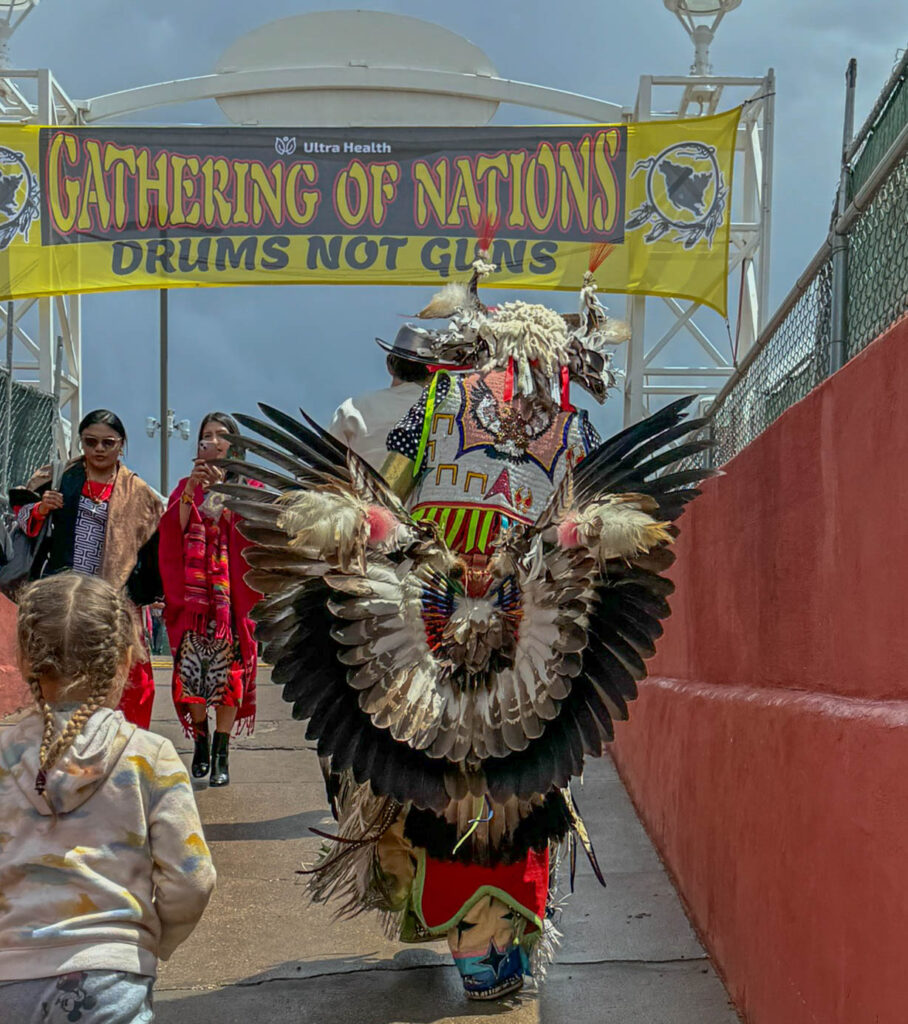
This year felt a little different. People kept referring to it as “The Last Dance,” and you could feel that in the background throughout the weekend. The event still had music, dancing, food trucks, crowded hallways inside Tingley Coliseum, and all the energy you’d expect from Gathering of Nations. But there was also a sense that this weekend meant a little more than usual.
A lot of people grew up coming here. Some dancers first attended as children and now returned with their own children or grandchildren. There was definitely a reunion-like atmosphere at times.
Because in many ways, it was.
Here’s a small glimpse of what the final weekend looked and sounded like inside Tingley Coliseum. And yes, I probably should’ve brought my good camera. Every photo and video here was taken from the nosebleed seats with my phone, so some of the close-ups are a little rough.
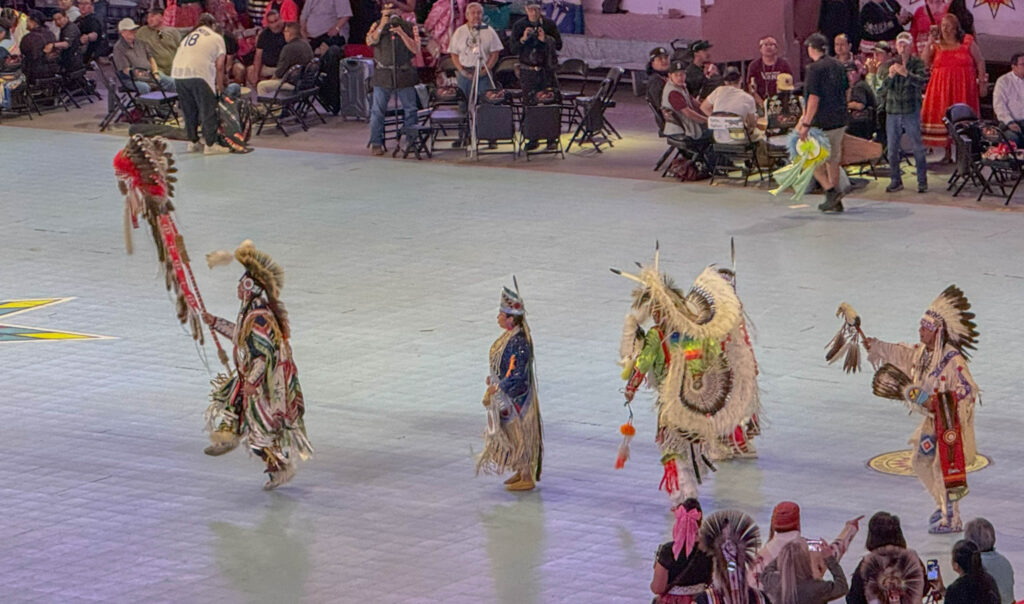
The beginning of the Grand Entry for The Last Dance (video).
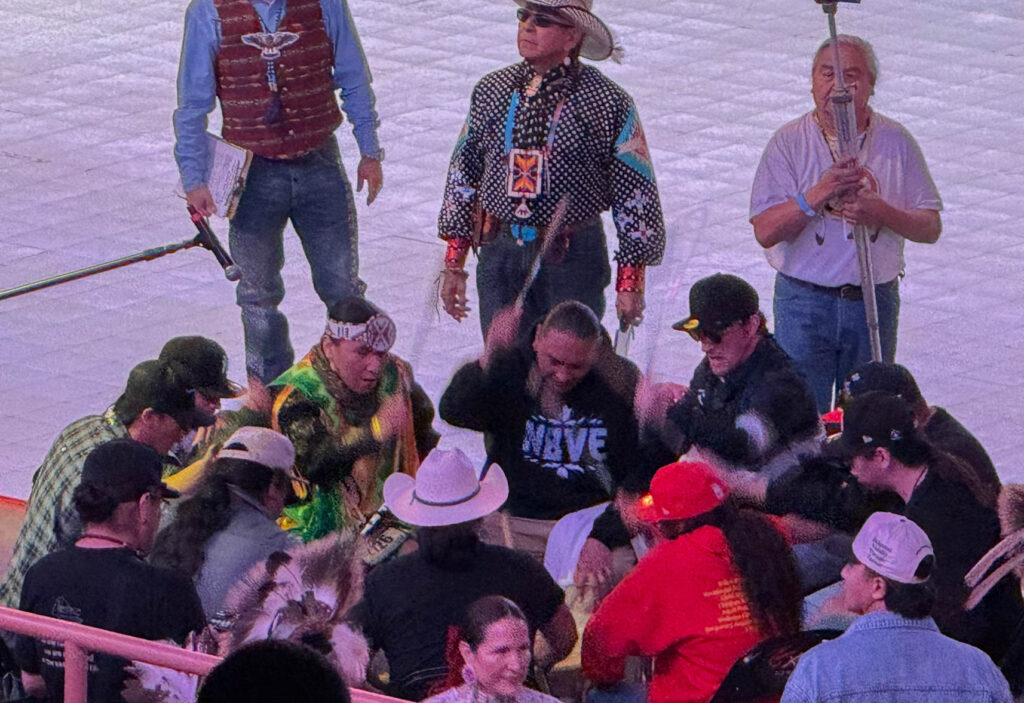
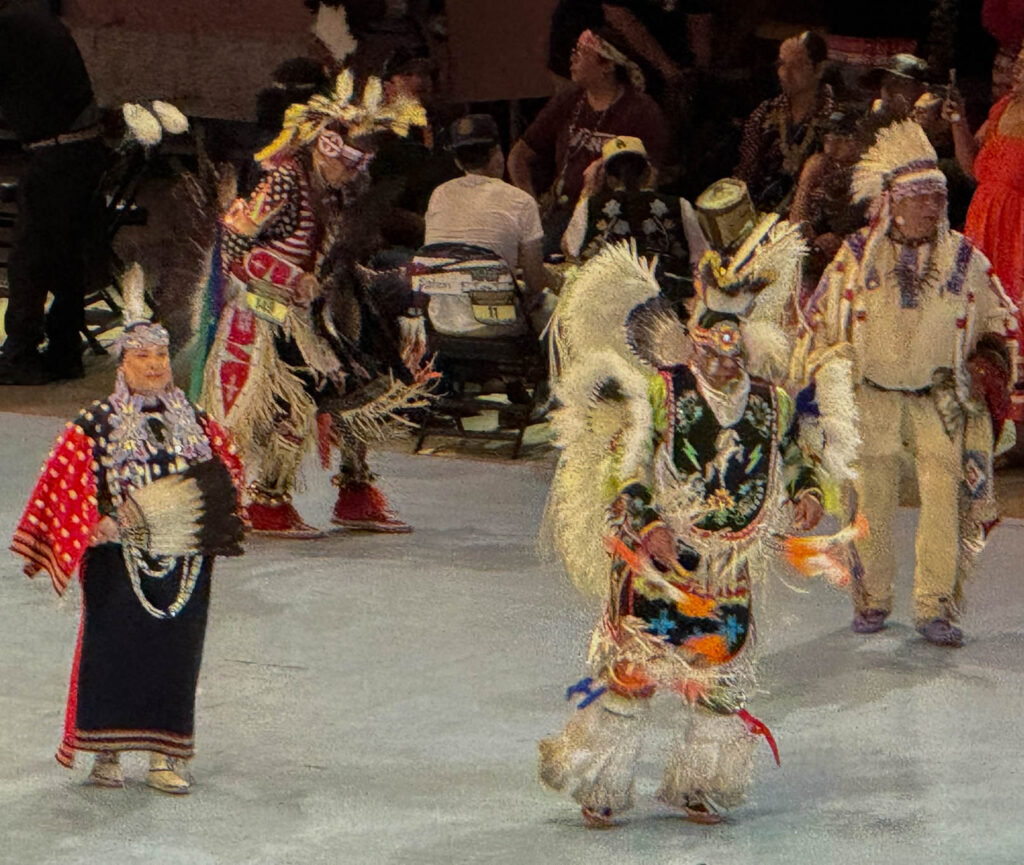
A series of three videos (below) showing the arena floor gradually filling during Grand Entry at the final Gathering of Nations.
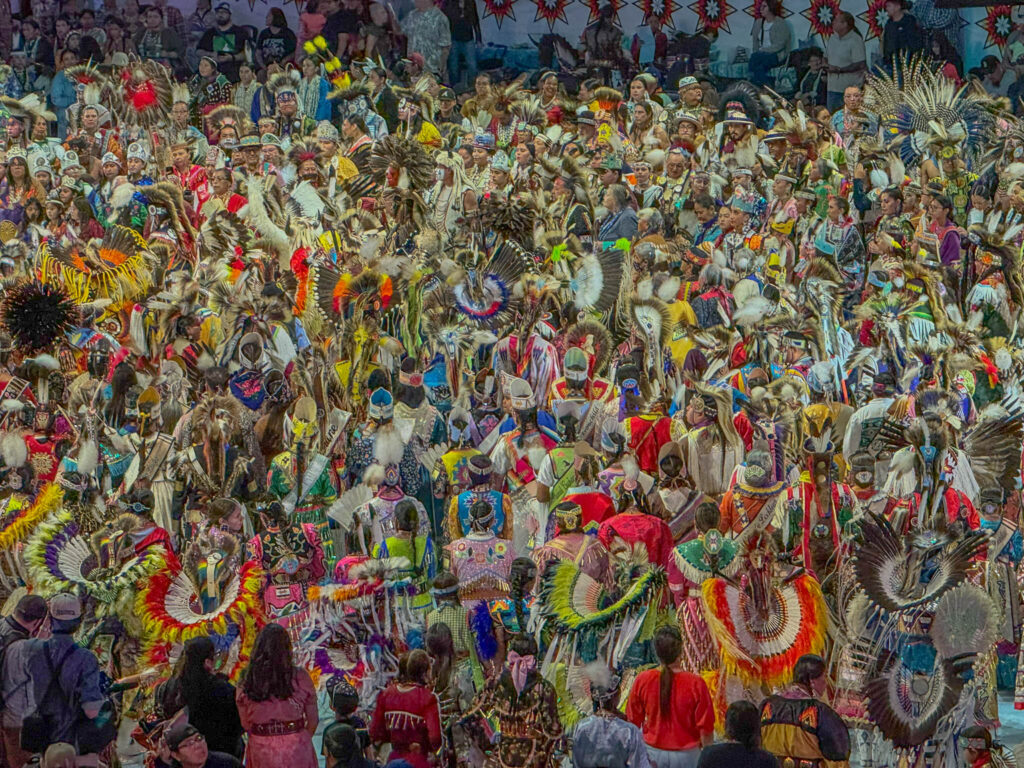
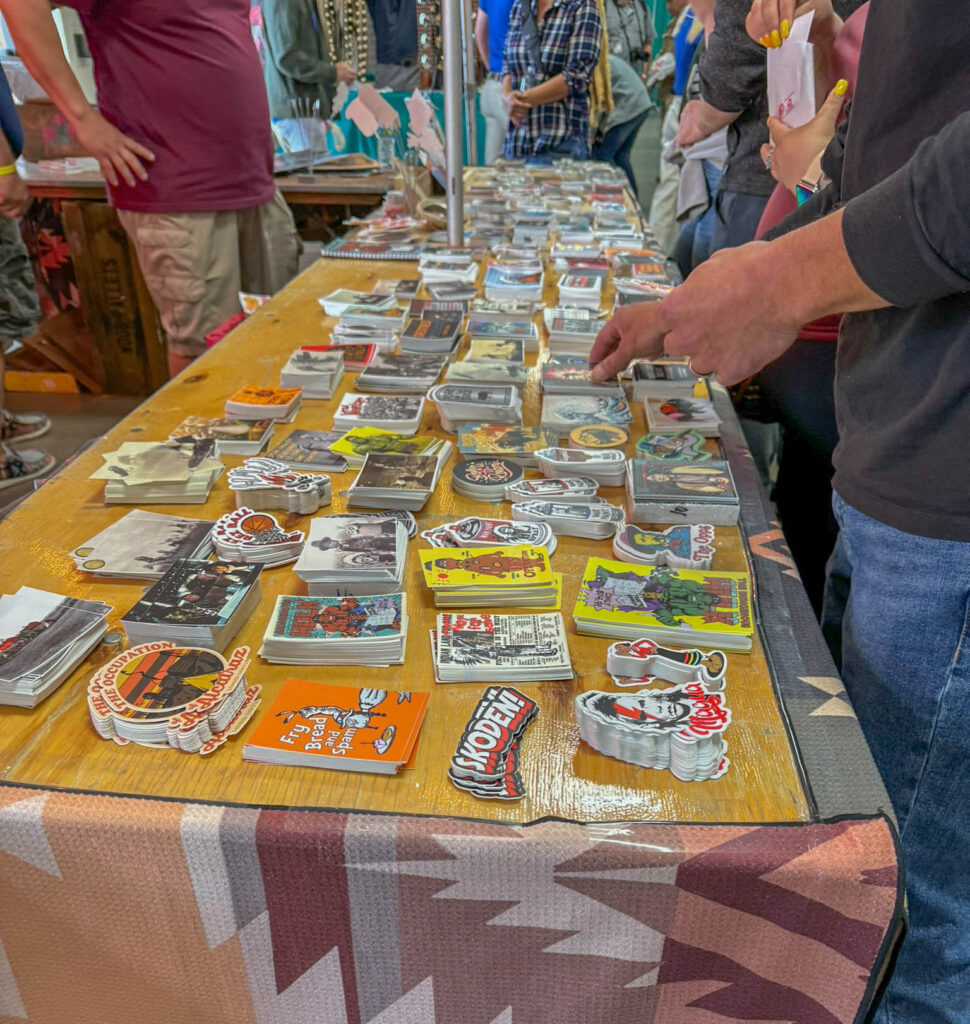
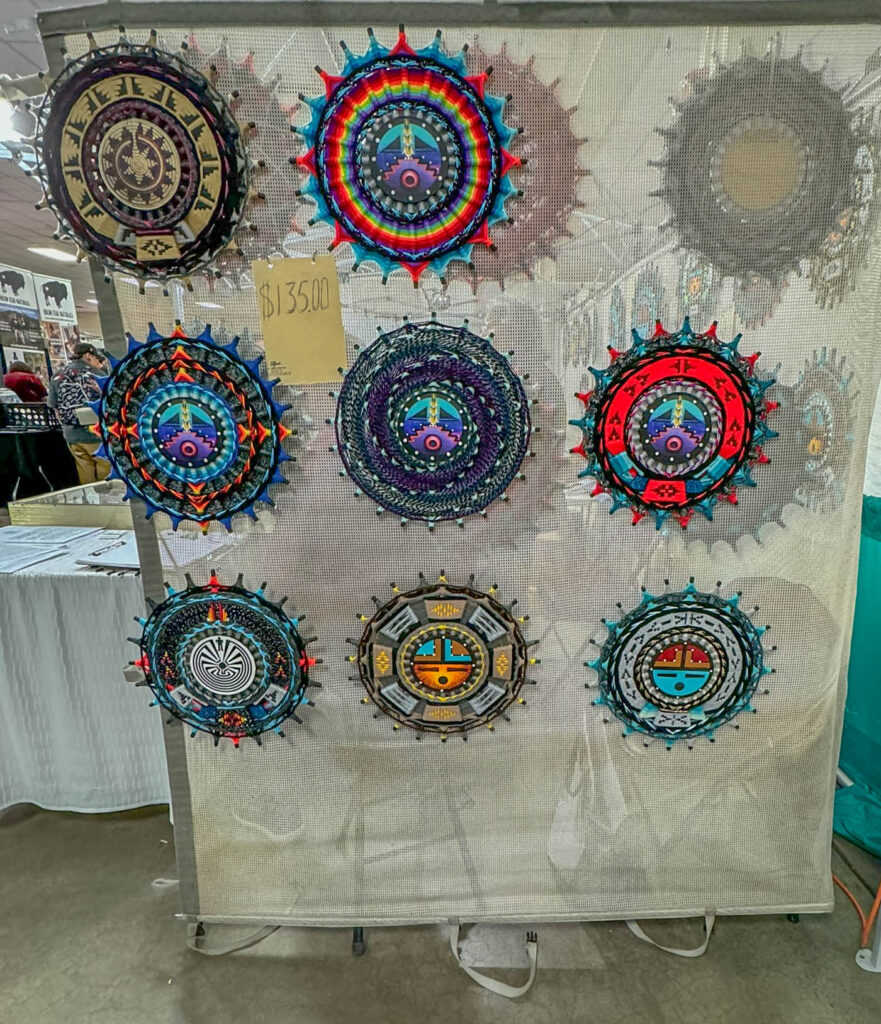
One Last Walk
Walking back to the parking lot afterward, it was hard not to wonder what eventually replaces something like this. There was talk about smaller regional and local gatherings continuing on. But it’s hard to imagine anything replacing Gathering of Nations in quite the same way.
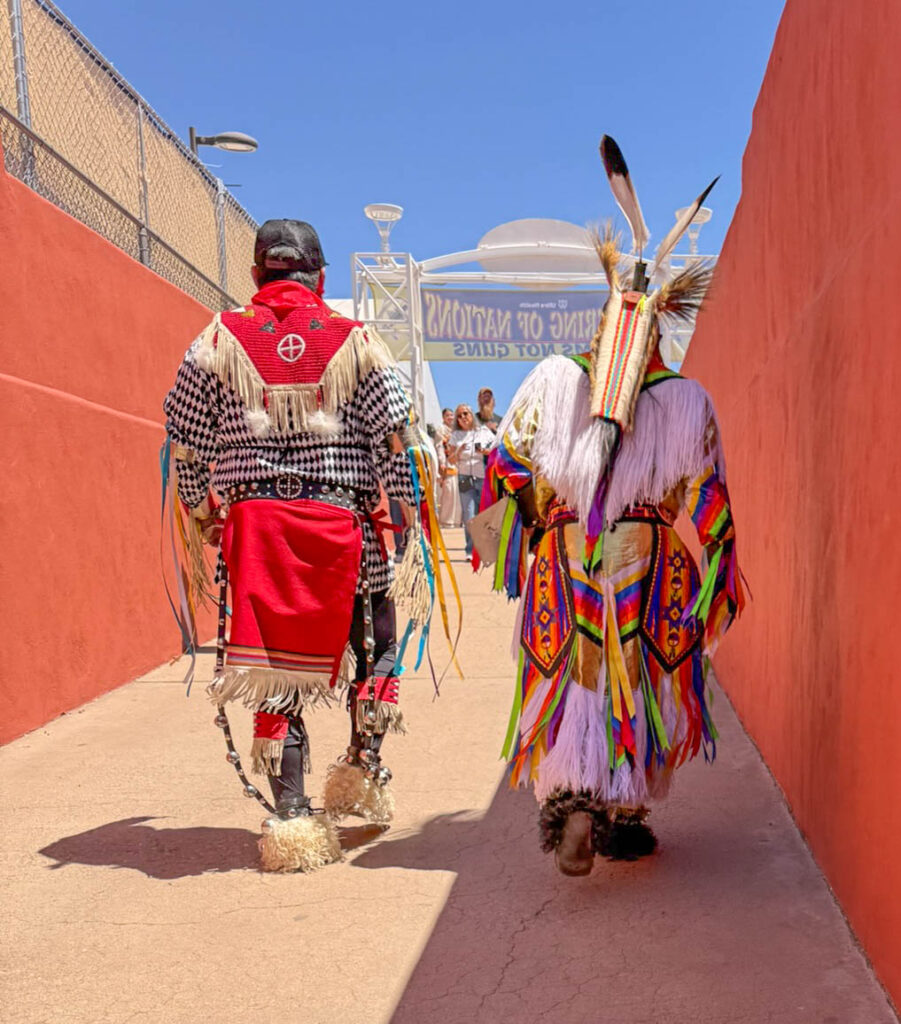
📚 Want to Learn More
If Gathering of Nations sparked your curiosity about Native cultures, pow wow traditions, or the tribes and histories of the American Southwest, here are a few books worth checking out:
- Powwow by Clyde Ellis, Luke Eric Lassiter, and Gary H. Dunham. A good introduction to modern pow wow culture, including dancing, music, traditions, and how pow wows evolved across Native communities in North America.
- Atlas of Indian Nations by Anton Treuer. A good overview of Native tribes and nations across North America, with maps, history, geography, and cultural background.
- The Pueblo Food Experience Cookbook by Roxanne Swentzell. A look at traditional Pueblo food, farming, and culture in New Mexico.
- Encyclopedia of Native American Tribes by Carl Waldman. A broad reference guide covering tribes, traditions, and histories across the United States and Canada.
- Indian Givers: How Native Americans Transformed the World by Jack Weatherford. Explores the influence Indigenous cultures had on food, agriculture, medicine, and modern society.
Thought for the Week
This week’s “Thought for the Week” comes from a Native American proverb that felt especially relevant after spending time at Gathering of Nations.
One of the things I appreciated about the event was that it didn’t feel overly filtered or translated for outsiders. There were moments of celebration and humor, but also moments where you were reminded that you were stepping into traditions, histories, and conversations much older and more complicated than your own experience.
A lot of modern life encourages people to immediately react, explain, debate, or turn everything into commentary. But sometimes the better approach is simply to pay attention for a while before deciding you fully understand what you’re seeing.
Which brings us to this week’s quote:
“Listen, or your tongue will make you deaf.”
— Native American proverb
Thanks for reading and happy travels!
Mark (The New Mexico Travel Guy)
Mark Aspelin, The New Mexico Travel Guy (www.newmexicotravelguy.com), is a travel writer, conservation biologist, project manager, and author of two books. He’s visited over 100 countries and all 50 U.S. states—just enough to land in the Travelers’ Century Club and make choosing a favorite place nearly impossible. He’s currently on a questionable mission to visit every town in New Mexico (there are over 500) and write a story about each one, with plans to wrap it up sometime before his early to mid 100s. Mark balances his writing with conservation and project work from his home base in the East Mountains near Albuquerque, New Mexico.
Leave a reply